
Brent$113.40(≈RM460)—WTI$102.89(≈RM417)—Nat Gas$2.90(≈RM12)—Bunker$1019.50(≈RM4,136)—JKM LNG$32.84(≈RM133)—MGO$1278.00(≈RM5,185)—EU Carbon€89.19(≈RM404)—TTF Gas€103.95(≈RM471)▲ +0.42%Coal$150.45(≈RM610)—USD/MYR4.0570—RON95RM4.42(≈US$1.09)▲ +2.31% W/WRON97RM4.90(≈US$1.21)▲ +2.08% W/WDieselRM5.27(≈US$1.30)▲ +3.94% W/W
00:04 MYT
CommoditiesLife-SavingFirefightingManpowerPaintingDormitoryUAV TrainingConsultancy

Top 10 Maritime Compliance Mistakes Shipowners Make — And How to Avoid Them
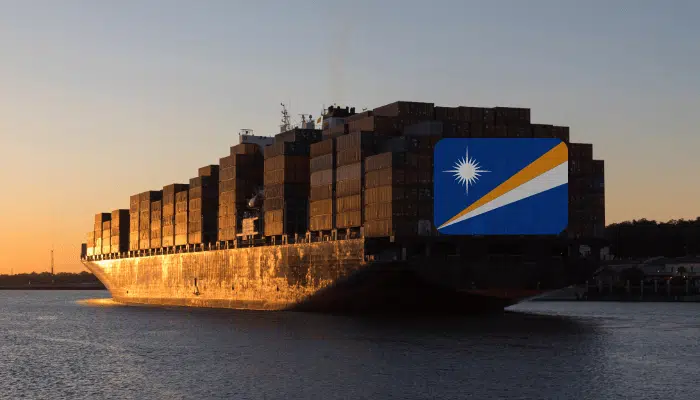
Marshall Islands flagged Cargo Ship

In the 2025–2026 regulatory environment, the most damaging compliance failures are not obscure or unpredictable. They are recurring, preventable patterns. Delayed corrective actions, weak documentation, misaligned charter clauses, and fragmented governance between technical and commercial teams are consistently among the leading causes of PSC detentions, regulatory penalties, and avoidable commercial costs across the global fleet.

SOLAS Compliance for Life-Saving Appliances: What Ship Operators Get Wrong

Life Saving Equipment

SOLAS life-saving appliance requirements are among the most detailed and most frequently deficient areas in port state control inspections worldwide. The gap between what operators think they are doing and what the Convention actually requires is wider than most realise.

Marine Fuel Trends 2026: LNG, Biofuels, Methanol, Ammonia & What to Expect

Oil tanker sailing out to sea

Marine fuel is no longer just a line-item cost. It is a strategic lever that determines compliance standing, charter eligibility, and long-term fleet value. The 2026–2030 period is the phase in which the industry’s energy transition moves from pilot projects and regulatory preparation into operational reality, and the decisions taken on fuel strategy now will shape competitive positioning for the rest of the decade.

Liferaft Servicing: Why Delays Are Dangerous & Best Practice for Shipowners

Life Rafts

A liferaft is the last line of defence for crew survival when abandoning ship. Yet schedule pressure and misplaced cost-consciousness routinely lead to delayed or inadequate servicing, creating silent, ship-wide risk that remains invisible until the moment it cannot be afforded. Understanding why on-time servicing is non-negotiable is fundamental to sound safety management.

Malaysia Offshore Quarterly Read: A Quietly Tightening Sector

Oil Platform at Sea with a Helicopter Pad

Production data lags two months. Workforce surveys arrive quarterly. Yard utilisation hides inside private financials. To read the state of Malaysia’s offshore sector in any given quarter, you have to assemble five or six datasets and cross-reference them. This is the first instalment of MarineCraft Journal’s Quarterly Read.