
Brent$113.40(≈RM460)—WTI$102.89(≈RM417)—Nat Gas$2.90(≈RM12)—Bunker$1019.50(≈RM4,136)—JKM LNG$32.84(≈RM133)—MGO$1278.00(≈RM5,185)—EU Carbon€89.19(≈RM404)—TTF Gas€103.52(≈RM469)—Coal$150.45(≈RM610)—USD/MYR4.0570—RON95RM4.42(≈US$1.09)▲ +2.31% W/WRON97RM4.90(≈US$1.21)▲ +2.08% W/WDieselRM5.27(≈US$1.30)▲ +3.94% W/W
23:03 MYT
CommoditiesLife-SavingFirefightingManpowerPaintingDormitoryUAV TrainingConsultancy

Top Fire Safety Non-Compliance Issues on Ships: PSC Findings & How to Fix Them

Fire Doors

Fire safety deficiencies are consistently among the leading causes of detainable PSC findings on ships. The same non-compliances appear repeatedly across vessel types and flag states, engine room housekeeping failures, inoperable detection systems, structural breaches, and fire drills that test paperwork rather than people. Understanding where these gaps occur is the first step to closing them before an inspector finds them.

Class Surveys, Flag State Surveys & Port State Control: Key Differences Explained

Large Ship named Oliter Freya docked at a port of call

Class surveys, flag state surveys, and Port State Control inspections each serve a different authority, follow different rules, and affect a vessel’s licence to trade in distinct ways. Understanding how they interact is fundamental to sound ship management, and to knowing which gaps in compliance carry the most commercial and operational risk.

IMO Regulations 2025: What Shipowners Must Know and Do Now

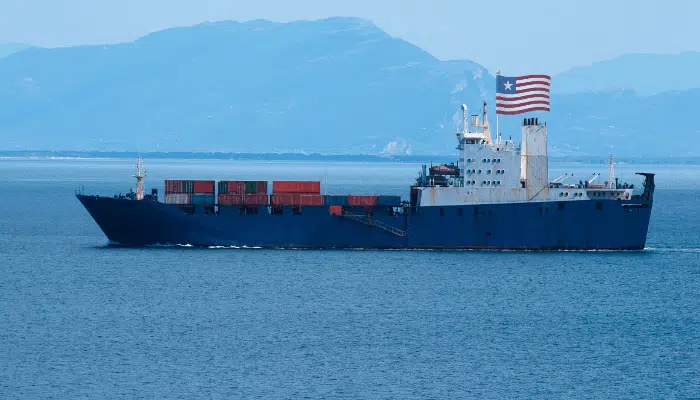
Liberia flagged Cargo Ship

The IMO’s 2025 regulatory cycle is not a set of distant deadlines. It is an active compliance environment in which CII enforcement, the Mediterranean ECA, FuelEU Maritime, the Hong Kong Convention, and a suite of digital documentation requirements are reshaping fleet strategy, charter eligibility, and vessel values right now.

Drone Training for Maritime & Oil and Gas Workers: The Business Case for Action

Drone in use in the open farm fields

Drones are now embedded in day-to-day operations across ships, ports, offshore platforms, refineries, and pipelines. The question for maritime and oil and gas organisations is no longer whether to deploy them. It is whether the workforce is trained to do so safely, legally, and to a standard that holds up under regulatory and insurer scrutiny.

How to Ensure Your Lifeboat and Davit Systems Are Ready for Emergency Deployment

Enclosed Type Life Boat

Most lifeboat and davit failures are not design flaws. They are the result of deferred maintenance, superficial inspections, and crews unfamiliar with the systems they are expected to operate under the worst possible conditions. Here is how to close those gaps before they matter.