
Brent$106.26(≈RM434)▲ +0.46%WTI$94.65(≈RM387)▲ +0.85%Nat Gas$3.32(≈RM14)▲ +2.47%Bunker$892.50(≈RM3,647)—Tapis$86.75(≈RM354)—JKM LNG$26.09(≈RM107)—MGO$1247.50(≈RM5,097)—EU Carbon€88.34(≈RM404)—TTF Gas€86.80(≈RM397)—Diesel$4.96(≈RM20)▲ +2.27%Coal$148.90(≈RM608)—USD/MYR4.0860—US Rigs551▲ +7 M/MRON95RM4.67(≈US$1.14)▲ +3.32% W/WRON97RM5.15(≈US$1.26)▲ +3.00% W/WDieselRM5.27(≈US$1.29)—
07:25 MYT
CommoditiesLife-SavingFirefightingManpowerPaintingDormitoryUAV TrainingConsultancy

Why Technical Documentation Matters in Marine & Offshore Operations
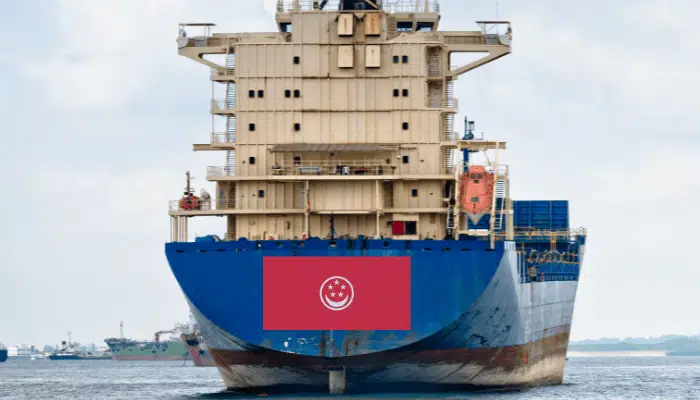
Singapore flagged Cargo Ship

Technical documentation in marine and offshore operations isn’t paperwork. It’s the operational script that keeps people safe, assets productive, and companies compliant in some of the world’s highest-risk environments. When done well, it turns complex regulations, engineering design, and operating experience into clear instructions that crews and technicians can reliably execute in real time.

How to Choose the Right Firefighting System for Offshore Facilities: A Practical, Risk-Based Guide

Fire Sprinklers

Offshore facilities face fire hazards, marine conditions, and regulatory requirements that make firefighting system selection a genuinely complex engineering and compliance decision. This guide provides a practical risk-based framework, including a scored decision matrix, ten selection criteria, and a quick-start checklist, to support auditable, technically sound system choices aligned with SOLAS, the FSS Code, IMO guidelines, and Malaysian regulatory requirements.

Automatic Identification System: Types and Working

Lights on a boat

The Automatic Identification System transmits real-time vessel data across VHF frequencies to ships, coastal stations, and satellites, improving situational awareness in congested waterways and supporting search and rescue operations globally. This guide covers how AIS works, what Class A and Class B systems do differently, what data is broadcast, and where the technology’s limitations lie.

PFOS Ban in Firefighting Media

Fire fighters with a fire engine

From January 1, 2026, firefighting media containing more than 10 mg/kg of PFOS will be prohibited on ships worldwide under SOLAS amendments adopted by IMO’s Maritime Safety Committee. The ban affects both new and existing vessels, and for operators trading to Europe, it intersects directly with IHM obligations under the EU Ship Recycling Regulation. Compliance preparation must begin now.

Standard Marine Communication Phrases (SMCP): The Universal Language of Maritime Safety

Two officers at the bridge steering the ship into a port

In a global industry where officers from dozens of nations share bridge watchkeeping responsibilities, navigation channels, and distress frequencies, the Standard Marine Communication Phrases provide the common linguistic foundation that makes safe coordination possible. This guide explains what SMCP is, how it works, and why its precise use is a professional and safety obligation.