Brent$95.27(≈RM393)—Nat Gas$3.49(≈RM14)—Bunker$831.50(≈RM3,428)—JKM LNG$27.17(≈RM112)—MGO$1090.00(≈RM4,494)—EU Carbon€84.90(≈RM383)—Coal$147.80(≈RM609)—USD/MYR4.1225—RON95RM3.47(≈US$0.84)▼ -6.72% W/WRON97RM3.75(≈US$0.91)▼ -6.25% W/WDieselRM4.47(≈US$1.08)▼ -5.30% W/W
06:21 MYT
CommoditiesLife-SavingFirefightingManpowerPaintingDormitoryUAV TrainingConsultancy

Lifesaving Equipment for Marine & Offshore Operators

An Array of Life Saving Equipment on a Boat

In marine and offshore environments, lifesaving equipment isn’t an accessory. It’s a critical survival system. Operators who treat it as strategic risk infrastructure, rather than a compliance obligation, consistently achieve better safety outcomes and reduced detention risk.

Lifesaving Appliance Inspection and Maintenance Under SOLAS

Ring-Life Buoys

Lifesaving appliances are a fundamental component of maritime safety, providing the means for safe evacuation and survival when fire, collision, grounding, or abandonment occurs. Under SOLAS Chapter III and the LSA Code, every vessel and offshore unit has defined obligations. This guide explains what they are and what maintaining them actually requires.

Why Technical Documentation Matters in Marine & Offshore Operations

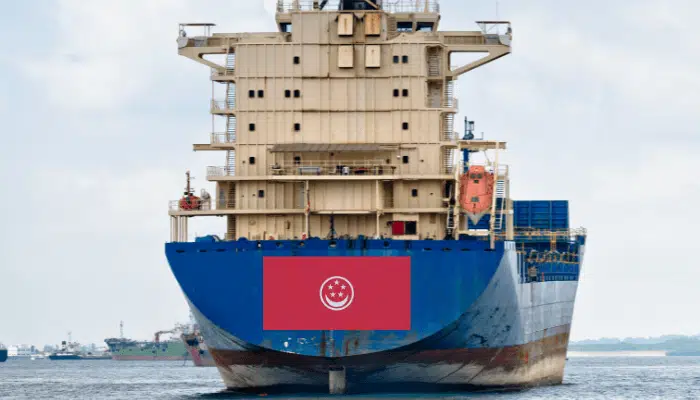
Singapore flagged Cargo Ship

Technical documentation in marine and offshore operations isn’t paperwork. It’s the operational script that keeps people safe, assets productive, and companies compliant in some of the world’s highest-risk environments. When done well, it turns complex regulations, engineering design, and operating experience into clear instructions that crews and technicians can reliably execute in real time.

How to Choose the Right Firefighting System for Offshore Facilities: A Practical, Risk-Based Guide

Fire Sprinklers

Offshore facilities face fire hazards, marine conditions, and regulatory requirements that make firefighting system selection a genuinely complex engineering and compliance decision. This guide provides a practical risk-based framework, including a scored decision matrix, ten selection criteria, and a quick-start checklist, to support auditable, technically sound system choices aligned with SOLAS, the FSS Code, IMO guidelines, and Malaysian regulatory requirements.

Automatic Identification System: Types and Working

Lights on a boat

The Automatic Identification System transmits real-time vessel data across VHF frequencies to ships, coastal stations, and satellites, improving situational awareness in congested waterways and supporting search and rescue operations globally. This guide covers how AIS works, what Class A and Class B systems do differently, what data is broadcast, and where the technology’s limitations lie.