
Brent$106.26(≈RM434)▲ +0.46%WTI$94.65(≈RM387)▲ +0.85%Nat Gas$3.32(≈RM14)▲ +2.47%Bunker$892.50(≈RM3,647)—Tapis$86.75(≈RM354)—JKM LNG$26.09(≈RM107)—MGO$1247.50(≈RM5,097)—EU Carbon€88.34(≈RM404)—TTF Gas€86.80(≈RM397)—Diesel$4.96(≈RM20)▲ +2.27%Coal$148.90(≈RM608)—USD/MYR4.0860—US Rigs551▲ +7 M/MRON95RM4.67(≈US$1.14)▲ +3.32% W/WRON97RM5.15(≈US$1.26)▲ +3.00% W/WDieselRM5.27(≈US$1.29)—
07:25 MYT
CommoditiesLife-SavingFirefightingManpowerPaintingDormitoryUAV TrainingConsultancy

Charting the Seas: World’s Biggest Flag States
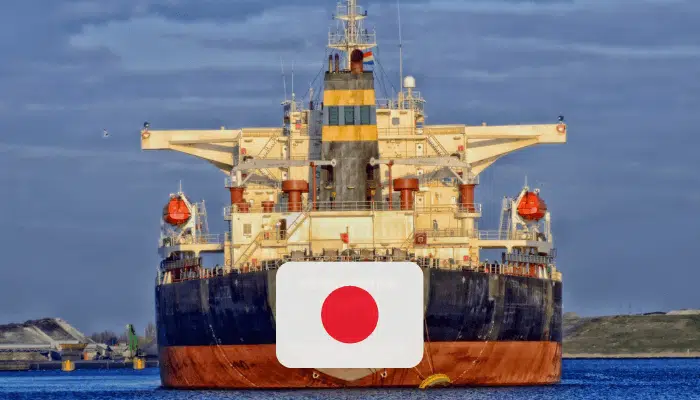
Japan flagged Cargo Ship

The flag a vessel flies determines the regulatory regime it operates under, the taxes its owner pays, the labour standards that govern its crew, and the environmental controls it must meet. Understanding which nations lead global ship registration and why matters for everyone working in maritime trade, safety, and policy.

Understanding Onshore Power Supply (OPS): Cold Ironing Explained

Onshore Power Supply (OPS), also known as Cold Ironing or Alternate Marine Power (AMP)

Onshore Power Supply allows vessels at berth to shut down their auxiliary engines and draw power from the port grid, eliminating a significant source of localised air and noise pollution at a stroke. With the FuelEU Maritime Regulation mandating OPS from January 2025 and European ports targeting net-zero gas emissions by 2030, the technology has moved from voluntary sustainability initiative to compliance imperative.