The flag a vessel flies determines the regulatory regime it operates under, the taxes its owner pays, the labour standards that govern its crew, and the environmental controls it must meet. Understanding which nations lead global ship registration and why matters for everyone working in maritime trade, safety, and policy.
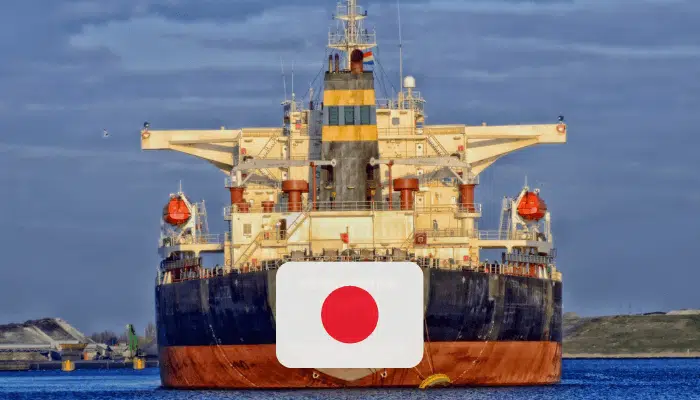
What a flag state is: The country where a shipowner registers their vessel, granting it a national identity and subjecting it to that nation’s maritime laws, regulatory framework, and tax regime.
Top three by market share: Liberia (16.39%, 5,000+ ships), Panama (14.55%), and Marshall Islands (11.24%), together accounting for over 42% of the global registered fleet.
Liberia’s edge: High safety standards, responsive service, streamlined registration, and innovation, including being the first registry to offer remote vessel registration and inspection during COVID-19.
Panama’s position: Strategic location, competitive regulation, and ongoing reforms to cybersecurity and compliance under the leadership of its merchant marine authority.
Marshall Islands’ appeal: Low taxes, operational flexibility, and an environmental focus. The registry holds Qualship 21 status for the 16th consecutive year and claims the world’s youngest, most eco-friendly fleet.
Why it matters: Flag state choice directly affects labour standards, pollution controls, safety oversight, and the quality of port state control inspections the vessel will face.
What a Flag State Is and Why It Matters
Every commercial vessel sailing international waters carries a flag, not merely as a symbol of identity, but as a legal declaration of the regulatory regime under which the ship and its owner operate. A flag state is the country where a shipowner chooses to register their vessel, and that choice determines the maritime laws that govern the ship, the tax treatment the owner receives, the labour standards that apply to the crew, the environmental controls the vessel must meet, and the quality and frequency of the flag administration’s oversight. For large shipping companies managing dozens or hundreds of vessels, the cumulative financial and operational implications of flag state choice are substantial, which is why the competition among registries for market share is intense and continuously evolving.
The result is a global registry landscape in which a relatively small number of nations, many of them with modest domestic shipping industries, have built internationally dominant registry businesses by offering competitive combinations of regulation, cost, service quality, and administrative efficiency. Understanding who leads this market, and what drives their success, matters for anyone working in maritime trade, safety policy, or ship management.
The flag a vessel flies isn’t simply a matter of national identity. It’s a commercial and regulatory decision that shapes every aspect of how that vessel operates, how its crew are treated, what environmental standards it meets, and how rigorously it is inspected when it enters port. Flag state quality has direct consequences for maritime safety across the global fleet.
The Leading Flag States
Liberia: How a Small Nation Built the World’s Largest Registry
Liberia’s ascent to the top of the global registry table is built entirely on its value proposition to international shipowners. The country has no significant domestic shipping industry in the conventional sense. That proposition rests on a combination of genuine safety standards, a service model built around shipowner responsiveness, and a willingness to innovate at moments when competitors were slower to adapt. During the COVID-19 pandemic, Liberia was the first registry to implement fully remote vessel registration, inspection, and delivery processes, a practical response that both served existing clients and attracted new ones during a period of market disruption.
The registry’s investment in future technologies, including a partnership with Hyundai to develop a hydrogen-powered cargo vessel, signals an awareness that environmental credentials will be an increasingly important differentiator as decarbonisation regulation tightens across the industry. Maintaining the top position in a competitive market requires continuous innovation, and Liberia’s track record suggests it understands that dynamic.
Panama and Marshall Islands: Second and Third but Not Standing Still
Panama’s position at number two reflects the enduring strength of its foundational advantages, including strategic location, a well-established administrative infrastructure, and a long history as the default choice for many of the world’s largest shipping companies. The ongoing reform programme under its merchant marine authority, including stronger cybersecurity measures and tighter enforcement against non-compliant operators, demonstrates that Panama is focused on quality as well as scale. A registry’s reputation among port state control inspectors directly affects the commercial attractiveness of its flag, and Panama’s reforms are partly directed at protecting and improving that standing.
The Marshall Islands’ claim to operate the world’s youngest and most eco-friendly fleet isn’t merely a marketing position. It reflects a deliberate strategy of attracting modern, fuel-efficient tonnage by offering an environment in which environmental leadership is valued and supported. That strategy is increasingly well-timed as decarbonisation pressure on the global fleet intensifies.
The Marshall Islands registry has built its competitive position on a combination of financial attractiveness and environmental credibility. Its 16 consecutive years of Qualship 21 status, the US Coast Guard’s recognition of flag states whose vessels consistently meet safety and environmental standards, provides independent validation of its fleet quality claims. For shipowners whose customers and charterers are increasingly scrutinising environmental performance, that credential carries genuine commercial value.
Why Flag State Choice Shapes the Future of Maritime Safety
The competition among flag states isn’t merely a commercial curiosity. It has direct implications for the quality and safety of the global merchant fleet. Flag states that compete primarily on cost and regulatory leniency can attract tonnage that wouldn’t meet the standards of more rigorous registries, contributing to the substandard shipping problem that port state control regimes exist to address. Conversely, flag states that compete on service quality, safety standards, and environmental credibility drive fleet improvement by making those attributes commercially rewarding.
Port state control implications: Flag state choice isn’t a private matter between shipowner and registry. It has direct consequences for how a vessel is treated in port. Ships flying flags with poor PSC inspection records face higher detention rates and more intensive scrutiny in all major port state control regimes including Paris MOU, Tokyo MOU, and the US Coast Guard. Owners who select registries on cost alone without considering PSC performance expose themselves to operational disruption that can far exceed any registration fee savings.
Frequently Asked Questions
What is an open registry or flag of convenience?
An open registry, sometimes referred to as a flag of convenience, is a ship registration system that allows vessels to register under a nation’s flag regardless of the shipowner’s nationality. Liberia, Panama, and the Marshall Islands are open registries. The term “flag of convenience” is sometimes used pejoratively, but many open registries maintain rigorous safety standards.
Why do so many shipowners register in Liberia, Panama, or the Marshall Islands rather than their home country?
The primary drivers are lower registration fees and taxes, more flexible labour and crewing requirements, streamlined administrative processes, and, in the case of the leading registries, a demonstrated commitment to safety standards that satisfy port state control requirements globally. For large fleet operators, these factors compound significantly across a portfolio of vessels.
What is Qualship 21 and why does it matter?
Qualship 21 is a US Coast Guard programme that recognises flag states whose vessels consistently demonstrate high compliance with safety and environmental standards during US port state control inspections. Flag states achieving Qualship 21 status see their vessels subject to reduced inspection frequency and priority berthing treatment in some US ports, a tangible commercial benefit for shipowners registered under qualifying flags.
How does flag state choice affect crew welfare?
Flag states determine which labour conventions apply to vessels on their register. Flag states that have ratified the Maritime Labour Convention 2006 must ensure vessels under their flag meet MLC minimum standards for seafarer wages, working hours, accommodation, and welfare. The rigour with which a flag state enforces those standards, through survey, audit, and response to complaints, varies significantly between registries.
Sources: UNCTAD Review of Maritime Transport (fleet registration data) · Liberian International Ship and Corporate Registry (LISCR) market share data · Panama Maritime Authority (AMP) fleet statistics · Republic of the Marshall Islands Maritime Administrator registry data · US Coast Guard Qualship 21 programme
MarineCraft Journal
Get the next briefing in your inbox
Safety protocols, offshore training, regulation and market analysis, written for Malaysia’s maritime and offshore industry. No sales pitches.
We use your address only to send MarineCraft Journal. Unsubscribe any time. See our Privacy Policy.