Brent$107.10(≈RM438)▲ +1.26%WTI$95.37(≈RM390)▲ +1.62%Nat Gas$3.33(≈RM14)▲ +2.78%Bunker$892.50(≈RM3,647)—Tapis$86.75(≈RM354)—JKM LNG$26.27(≈RM107)▲ +0.69%MGO$1247.50(≈RM5,097)—EU Carbon€88.05(≈RM403)▼ -0.33%TTF Gas€86.75(≈RM397)▼ -0.08%Diesel$4.97(≈RM20)▲ +2.47%Coal$150.35(≈RM614)▲ +0.97%USD/MYR4.0860—US Rigs551▲ +7 M/MRON95RM4.67(≈US$1.14)▲ +3.32% W/WRON97RM5.15(≈US$1.26)▲ +3.00% W/WDieselRM5.27(≈US$1.29)—
09:27 MYT
CommoditiesLife-SavingFirefightingManpowerPaintingDormitoryUAV TrainingConsultancy

Lifesaving Equipment for Marine & Offshore Operators

An Array of Life Saving Equipment on a Boat

In marine and offshore environments, lifesaving equipment isn’t an accessory. It’s a critical survival system. Operators who treat it as strategic risk infrastructure, rather than a compliance obligation, consistently achieve better safety outcomes and reduced detention risk.

Lifesaving Appliance Inspection and Maintenance Under SOLAS

Ring-Life Buoys

Lifesaving appliances are a fundamental component of maritime safety, providing the means for safe evacuation and survival when fire, collision, grounding, or abandonment occurs. Under SOLAS Chapter III and the LSA Code, every vessel and offshore unit has defined obligations. This guide explains what they are and what maintaining them actually requires.

Hot Work Safety: What Every Welder and Fitter Should Know

Piping Work - Cutting Pipes

Hot work is one of the highest-risk activities in shipyards and industrial facilities. Every welder and fitter working near combustible materials, confined spaces, or fuel systems shares direct responsibility for ensuring a routine task doesn’t become a catastrophic event.

Why the Welder Qualification Test Matters for Shipyard Jobs

A Worker doing welding work

In shipyards and offshore fabrication facilities, a welder’s qualification record isn’t a bureaucratic formality. It’s the documented assurance that every critical joint has been made by someone proven capable of making it correctly. Here is why the WQT sits at the heart of structural integrity and regulatory compliance.

Why Technical Documentation Matters in Marine & Offshore Operations

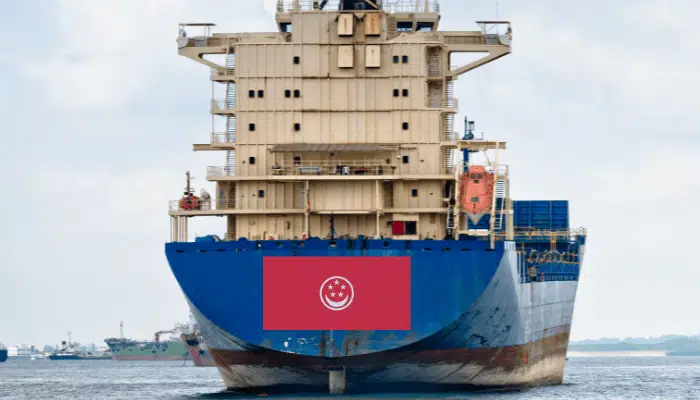
Singapore flagged Cargo Ship

Technical documentation in marine and offshore operations isn’t paperwork. It’s the operational script that keeps people safe, assets productive, and companies compliant in some of the world’s highest-risk environments. When done well, it turns complex regulations, engineering design, and operating experience into clear instructions that crews and technicians can reliably execute in real time.