Brent$99.15(≈RM404)▼ -1.04%WTI$91.66(≈RM374)▼ -0.94%Nat Gas$2.84(≈RM12)Bunker$857.00(≈RM3,494)▼ -4.09%Tapis$86.75(≈RM354)JKM LNG$25.99(≈RM106)▼ -5.53%MGO$1351.00(≈RM5,509)▼ -3.19%EU Carbon€86.59(≈RM406)▼ -0.35%TTF Gas€71.17(≈RM333)▼ -2.65%Diesel$4.81(≈RM20)▼ -1.64%Coal$144.00(≈RM587)USD/MYR4.0775US Rigs551▲ +7 M/MRON95RM4.37(≈US$1.07)▲ +8.71% W/WRON97RM4.87(≈US$1.19)▲ +8.22% W/WDieselRM5.27(≈US$1.29)▲ +7.11% W/W
17:56 MYT
CommoditiesLife-SavingFirefightingManpowerPaintingDormitoryUAV TrainingConsultancy

Confined Space Operations: Key Risks, Safety Protocols & Rescue Requirements

Self-Contained Breathing Apparatus (SCBA)

Confined space work is among the most hazardous activities in maritime, oil and gas, and industrial operations. Limited access, poor ventilation, and hidden atmospheric hazards combine to amplify the risks of asphyxiation, toxic exposure, engulfment, and entrapment. When things go wrong, rescue is difficult, visibility is poor, and escape routes are restricted. Prevention and preparation are the only reliable defences.

What Makes a Vessel Seaworthy? Hull, Equipment, Crewing & Legal Obligations

Survey Vessels in the open sea

A seaworthy vessel is not simply one that floats and moves. It is a ship that is properly constructed, maintained, crewed, and equipped to safely encounter the expected perils of the voyage while protecting crew, cargo, and the environment. In maritime law and risk management, unseaworthiness is a core liability trigger. Understanding what seaworthiness requires in concrete, practical terms is essential for every shipowner, manager, and technical adviser.

Top 10 Maritime Compliance Mistakes Shipowners Make — And How to Avoid Them

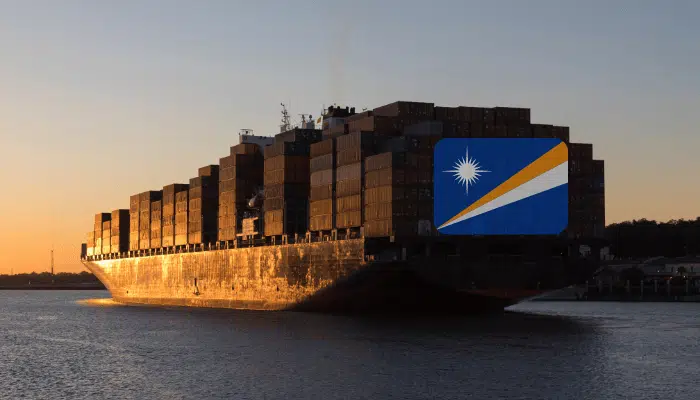
Marshall Islands flagged Cargo Ship

In the 2025–2026 regulatory environment, the most damaging compliance failures are not obscure or unpredictable. They are recurring, preventable patterns. Delayed corrective actions, weak documentation, misaligned charter clauses, and fragmented governance between technical and commercial teams are consistently among the leading causes of PSC detentions, regulatory penalties, and avoidable commercial costs across the global fleet.