Brent$89.36(≈RM360)WTI$83.12(≈RM335)▼ -0.06%Nat Gas$2.85(≈RM11)▼ -0.70%Bunker$770.50(≈RM3,102)Tapis$86.75(≈RM349)JKM LNG$23.41(≈RM94)MGO$1129.50(≈RM4,547)EU Carbon€82.42(≈RM386)TTF Gas€66.55(≈RM312)▼ -1.01%Diesel$4.33(≈RM17)▼ -0.23%Coal$131.50(≈RM529)USD/MYR4.0260US Rigs551▲ +7 M/MRON95RM3.82(≈US$0.95)▲ +1.33% W/WRON97RM4.30(≈US$1.07)▲ +1.18% W/WDieselRM4.72(≈US$1.17)▲ +1.07% W/W
00:41 MYT
Commodities Trading
Bulk supply for maritime sector
Life-Saving Equipment
LSA supply & certification
Firefighting Equipment
Marine & industrial fire systems
Manpower Supply
Skilled maritime personnel
Drone Training
UAV pilot certification

Guarding Our Oceans

Life saving raft in the rough waters

MARPOL Special Areas represent the ocean’s most ecologically sensitive and vulnerable regions, designated under international law for heightened protection against the full spectrum of ship-sourced pollution. Understanding which areas are designated, under which Annexes, and what discharge restrictions apply is essential for every vessel operating in international waters.

Charting the Seas: World’s Biggest Flag States

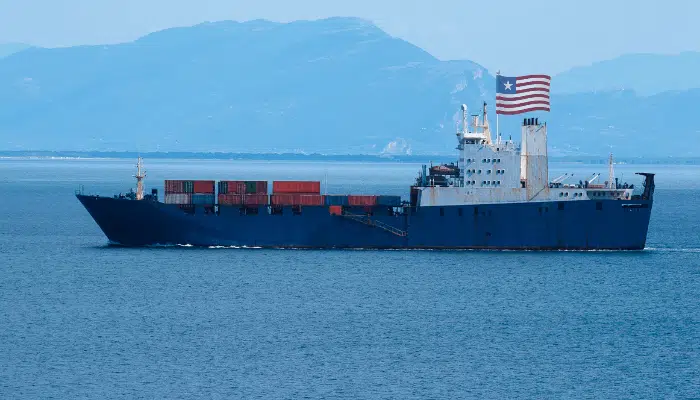
Japan flagged Cargo Ship

The flag a vessel flies determines the regulatory regime it operates under, the taxes its owner pays, the labour standards that govern its crew, and the environmental controls it must meet. Understanding which nations lead global ship registration and why matters for everyone working in maritime trade, safety, and policy.

Standard Marine Communication Phrases (SMCP): The Universal Language of Maritime Safety

Two officers at the bridge steering the ship into a port

In a global industry where officers from dozens of nations share bridge watchkeeping responsibilities, navigation channels, and distress frequencies, the Standard Marine Communication Phrases provide the common linguistic foundation that makes safe coordination possible. This guide explains what SMCP is, how it works, and why its precise use is a professional and safety obligation.

Essential Life-Saving Equipment on Ships: A Complete Maritime Safety Guide

Self Contained Breathing Apparatus

When an emergency occurs at sea, external assistance may be hours away. The life-saving equipment mandated under SOLAS for every vessel is the only safety infrastructure available in those critical first hours, and its effectiveness depends entirely on its condition, its correct deployment, and the familiarity of the people using it.

Understanding Onshore Power Supply (OPS): Cold Ironing Explained

Onshore Power Supply (OPS), also known as Cold Ironing or Alternate Marine Power (AMP)

Onshore Power Supply allows vessels at berth to shut down their auxiliary engines and draw power from the port grid, eliminating a significant source of localised air and noise pollution at a stroke. With the FuelEU Maritime Regulation mandating OPS from January 2025 and European ports targeting net-zero gas emissions by 2030, the technology has moved from voluntary sustainability initiative to compliance imperative.