The chair of the United States Federal Maritime Commission (FMC), Laura DiBella, has issued a personal statement voicing renewed concern over what she describes as China's "weaponisation of port state…
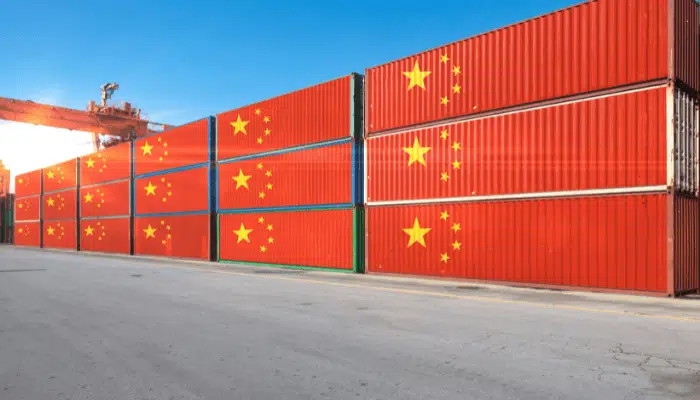
The chair of the United States Federal Maritime Commission (FMC), Laura DiBella, has issued a personal statement voicing renewed concern over what she describes as China's "weaponisation of port state control inspections" targeting vessels registered under the Panama flag. She indicated that the matter falls within the FMC's remit to investigate.
The dispute emerged earlier this year following reports of a sharp rise in detentions of Panama-flagged ships at Chinese ports. According to DiBella, the inspections appeared to be conducted under informal directives and seemed designed to penalise Panama after a concession held by CK Hutchison to operate terminals at the Panama Canal was voided and the properties seized. Panama's Supreme Court had cancelled the arrangement, in place since 1997, prompting retaliatory measures from China and multi-million-dollar arbitration claims from CK Hutchison. Beijing also summoned Maersk and MSC for consultations after their terminal operators assumed control of the ports.
DiBella noted that the FMC is empowered to examine whether foreign government practices create unfavourable conditions for US foreign trade shipping, and that it can implement remedial measures. She warned that retaliatory detentions could carry significant commercial and strategic consequences given the share of US trade carried by Panama-flagged tonnage, and cautioned against normalising such actions, which she said would set a damaging precedent for global supply chains.
Beijing has denied singling out Panama-flagged ships. While it did not dispute an increase in inspections, it attributed this to vessels being involved in incidents with fishing craft. China has also accused Washington of manufacturing the tensions amid geopolitical rivalry, with President Donald Trump reiterating claims that China seeks control of the Panama Canal.
A recent Lloyd's Intelligence analysis suggests the wave of detentions has peaked and fallen sharply, but reports a knock-on effect three months on, with many owners moving vessels off the Panama register. Notably, Chinese owners formed the largest group re-flagging, favouring the Bahamas and the Marshall Islands.
For Malaysian and Southeast Asian operators, the episode underlines how port state control can become a geopolitical instrument, affecting flag choice, port call reliability and charter risk. With regional trade heavily dependent on major flag registers and Chinese ports, owners may need to weigh flagging decisions and contingency planning more carefully.
This brief was written by the MarineCraft News Desk from the source’s reporting. Read the original coverage at the source.
Read the full story at The Maritime Executive →Source: The Maritime Executive
Industry News
Get the headlines that matter
Shipping, maritime, and oil and gas news curated daily by the MarineCraft News Desk, with Malaysian and Southeast Asian developments front and centre.
We use your address only to send Industry News. Unsubscribe any time. See our Privacy Policy.