
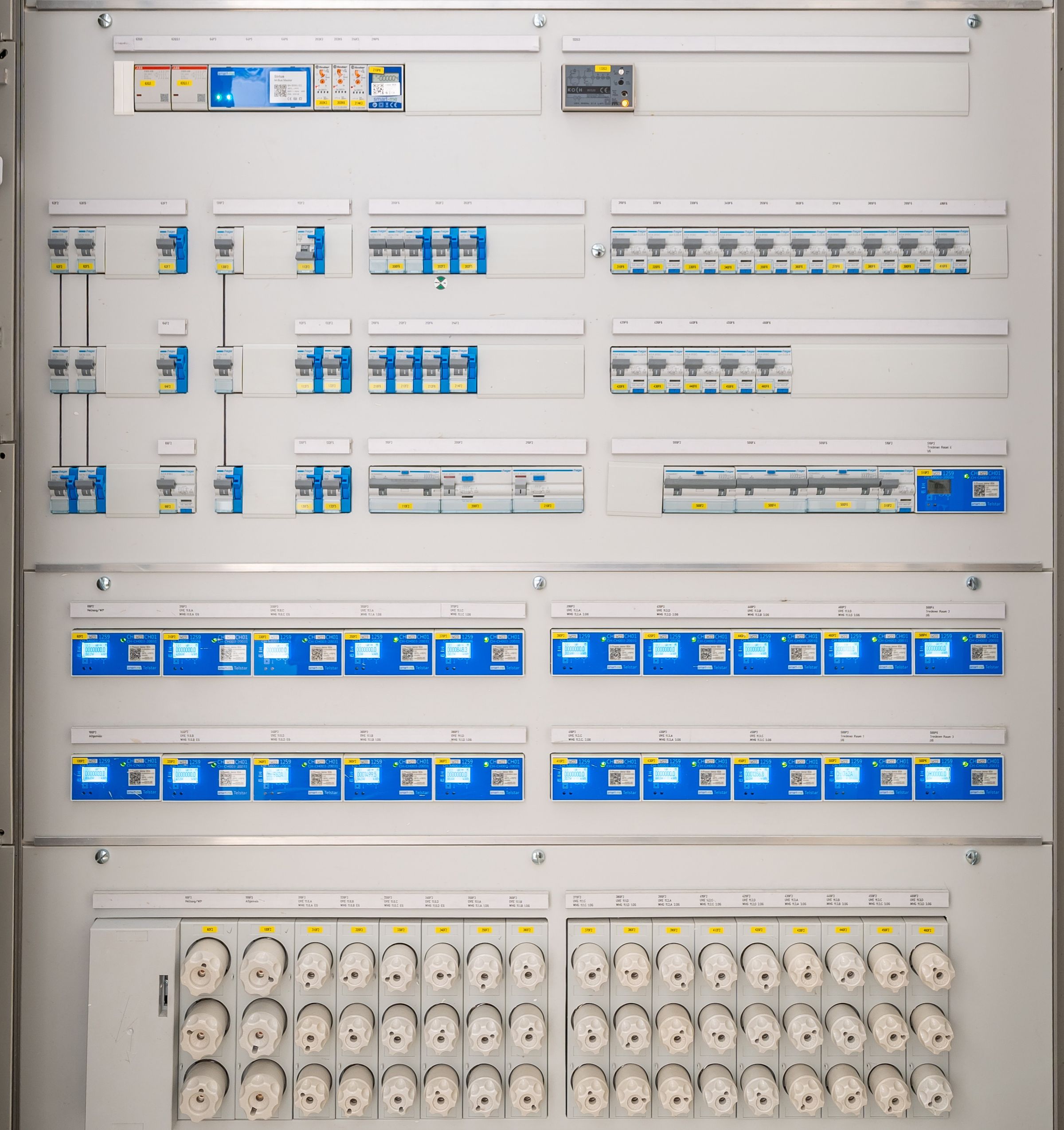
The accommodation regulations require water and electricity supply in six words and say nothing about either. Both are governed properly elsewhere, by utility law with its own certificates and competent persons, and that is where a camp’s real exposure sits.
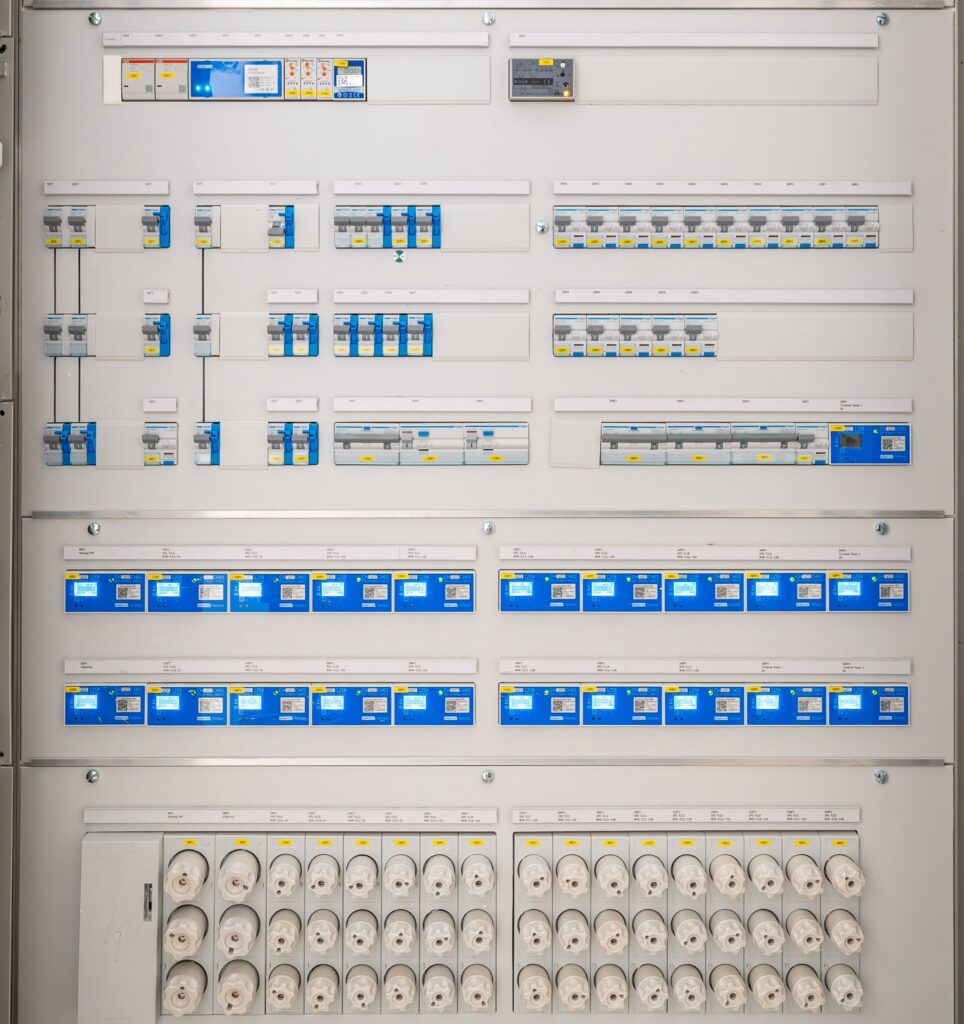
A Requirement With No Content
Regulation 6 of the Employees’ Minimum Standards of Housing, Accommodations and Amenities (Accommodation and Centralized Accommodation) Regulations 2020 requires water and electricity supply in the accommodation. That is the extent of it. No quantity, no quality, no continuity, no standard for the installation that delivers either.
The Schedule adds hardware rather than performance: fans, lamps, toilets at set ratios, a clothes drying area. Useful, and entirely silent on whether the water is fit to drink or the wiring is safe to touch.
That silence is not an oversight so much as a boundary. These are minimum housing standards, and both utilities are regulated in their own right under their own statutes. The practical consequence is that an employer who reads only the accommodation regulations has read the least demanding of the three instruments that apply to a camp’s utilities.
An accommodation certificate confirms that water and electricity are supplied. Nothing in it speaks to whether either is safe, and nothing in the regulations asks.
The Electrical Installation Is a Regulated Object
Electricity in Malaysia runs under the Electricity Supply Act 1990 and the Electricity Regulations 1994, administered by the Energy Commission, and the detail there is considerable. A camp’s distribution is an installation under that regime whatever the accommodation regulations say about it.
The regime is built on competent persons. Regulation 45(1) sets out the classes: Electrical Services Engineer, Competent Electrical Engineer, Electrical Supervisor, Chargeman, Wireman and Cable Jointer. Each is a defined competence with its own scope, and the scopes are not interchangeable.
Wiring under supervision. Regulation 12 requires the wiring of a single-phase or three-phase low voltage installation to be carried out under the immediate supervision of a Wireman holding the matching phase restriction, and regulation 12(3) requires that Wireman to be employed full-time by an Electrical Contractor or a Private Wiring Unit.
Completion certified. On completion the Wireman certifies a Supervision and Completion Certificate, Form G.
Testing certified. Regulation 13 requires the matching Wireman to test the installation and certify the Test Certificate, Form H. For an installation above low voltage, regulation 13(3) requires testing by an Electrical Services Engineer employed full-time by an Electrical Services Contractor.
Then, and only then, supply. Regulation 14(2) provides that the installation shall not receive electricity from a licensee or supply authority until both certificates have been submitted, with a narrow exemption for certain extensions to domestic installations.
Why this is the useful check: Forms G and H exist for every legitimate installation, name the competent person who signed them, and can be asked for. They are the single most informative documents about a camp’s electrical safety, and almost nobody buying beds asks to see them.
Beyond the certificate chain, the regulations are specific about the things that actually injure people. Regulation 34 requires metallic parts to be effectively earthed, bars water and gas pipes from serving as the sole earth, and limits neutral earthing to a single point unless the Commission approves otherwise, with regulation 35 requiring a complete earthing system. Regulation 36 sets residual current device ratings by installation type, at 10, 30 or 100 milliamps. Regulation 18 requires every part of the system to be protected from excess current, and regulation 16(3) requires fuses and circuit breakers to break at a given overcurrent value.
Switchboards have their own rules. Regulation 19 covers accessibility, a clear diagram, fencing of exposed bare conductors and a rubber floor mat, and regulation 19(4) restricts access to a competent person or someone under a competent person’s immediate supervision. Regulation 20 requires the switchboard, or the section being worked on, to be made dead and earthed before work starts. Regulation 29 requires parts of a system not in use to be isolated from the supply.
A padlock on the switchboard and a signed Form H tell you more about a camp than any photograph of a clean dormitory.
Two further points for completeness. Registered installations are subject to inspection, with regulation 5(1) requiring an initial inspection not later than twenty-one days after receipt of the application form, and regulation 3(3) setting certificate validity at not less than one and not more than five years. Later parts of the regulations deal with periodic inspection and with maintenance and records; the intervals there should be confirmed against the current text with the Energy Commission rather than assumed, since they govern the recurring obligation rather than the initial one.
Water: Supplied Is Not the Same as Potable
Water divides into two questions the accommodation regulations collapse into one. Is there a supply, and is what comes out of it fit to drink.
The reference point for the second is the Drinking Water Quality Standard issued by the Engineering Services Division of the Ministry of Health, which sets acceptable and maximum acceptable values across parameter groups running from bacteriological and physical measures through dissolved solids and metals to pesticides and radiological parameters. For drinking water the headline limits are the ones worth knowing: E. coli at zero per 100 millilitres, turbidity at 5 NTU, pH between 6.5 and 9.0, and free residual chlorine between 0.2 and 5.0 milligrams per litre.
Those figures matter most where a camp is not simply connected to a treated municipal main. A site drawing from a borehole, a tank farm filled by tanker, or a long private reticulation system is operating a water supply rather than consuming one, and the questions that follow are about storage, residual disinfectant at the tap and testing rather than about the connection.
Storage is where camps come unstuck. A tank that is uncovered, unlabelled, unwashed or sited next to something it should not be next to will produce water that failed nothing at the point of supply and fails at the tap. Residual chlorine measured where people actually drink is the cheapest single indicator of whether a stored and reticulated supply is still doing its job.
What to Check and What to Require
Because both utilities sit outside the accommodation standards, they have to be specified deliberately, in the contract for a provider-operated camp or in the operating procedures for an employer-run one.
The fourth item is the one that quietly creates fires. A block certified for a modest domestic load and then occupied by people who each charge devices, run fans continuously and cook where cooking is permitted is carrying a load profile nobody certified. Overloading is not a wiring defect at installation; it is a defect that arrives with occupancy, and it is foreseeable from the bed count.
The last item is where the cost of getting it wrong is most asymmetric. Water testing is inexpensive and an outbreak in shared accommodation is not, and the testing produces a record that demonstrates the employer took the question seriously, which is worth having independently of the result.
The honest summary is that water and electricity are the two utilities most likely to injure a resident and the two the accommodation standards say least about. That mismatch is the reason to treat them as engineering and procurement questions rather than as items on a housing checklist. Our workforce accommodation work is scoped against the utility regimes alongside the accommodation standards, because the certificate that lets a camp operate does not speak to either.
Frequently Asked Questions
What do the accommodation regulations require for water and electricity?
Regulation 6 of the Accommodation and Centralized Accommodation Regulations 2020 requires water and electricity supply in the accommodation, and that is all. The Schedule adds fans, lamps and toilets at set ratios. There is no requirement on water quality, supply continuity, or the standard of the electrical installation. Those sit under separate utility legislation.
What documents prove a camp’s electrical installation is legitimate?
The Supervision and Completion Certificate, Form G, certified by the Wireman who supervised the wiring, and the Test Certificate, Form H, certified after testing. Under regulation 14(2) of the Electricity Regulations 1994 an installation shall not receive electricity from a licensee or supply authority until both have been submitted, with a narrow exemption for certain extensions to domestic installations. Both name the competent person and can be requested.
Who is allowed to work on a camp’s electrical installation?
A competent person of the appropriate class. Regulation 45(1) defines Electrical Services Engineer, Competent Electrical Engineer, Electrical Supervisor, Chargeman, Wireman and Cable Jointer. Low voltage wiring is supervised by a Wireman with the matching phase restriction, employed full-time by an Electrical Contractor or Private Wiring Unit; installations above low voltage are tested by an Electrical Services Engineer employed full-time by an Electrical Services Contractor. Switchboard access is restricted to a competent person or someone under immediate supervision.
What drinking water quality should a camp meet?
The reference is the Drinking Water Quality Standard issued by the Engineering Services Division of the Ministry of Health, covering bacteriological, physical, chemical, pesticide and radiological parameters. The headline drinking water limits are E. coli at zero per 100 millilitres, turbidity at 5 NTU, pH between 6.5 and 9.0 and free residual chlorine between 0.2 and 5.0 milligrams per litre. Where a camp stores and reticulates its own supply, sampling at the tap matters more than at the inlet.
Sources: Employees’ Minimum Standards of Housing, Accommodations and Amenities (Accommodation and Centralized Accommodation) Regulations 2020, in operation 1 September 2020, regulation 6 requiring water and electricity supply in the accommodation, and the Schedule of minimum requirements by building class including fans, lamps, toilets at set ratios and a clothes drying area, with no provision on water quality, supply continuity or the standard of the electrical installation · Electricity Supply Act 1990 (Act 447) and the Electricity Regulations 1994, administered by the Energy Commission: regulation 3(3) on certificate validity of not less than one and not more than five years; regulation 5(1) requiring initial inspection not later than twenty-one days after receipt of the application form; regulation 12 requiring wiring of single-phase or three-phase low voltage installations to be carried out under the immediate supervision of a Wireman holding the matching phase restriction, with regulation 12(3) requiring that Wireman to be employed full-time by an Electrical Contractor or Private Wiring Unit, and certification of the Supervision and Completion Certificate, Form G, on completion; regulation 13 requiring the matching Wireman to test the installation and certify the Test Certificate, Form H, with regulation 13(3) requiring installations above low voltage to be tested by an Electrical Services Engineer employed full-time by an Electrical Services Contractor; regulation 14(2) providing that an installation shall not receive electricity from a licensee or supply authority until both certificates have been submitted, with exemption for certain extensions to domestic installations under regulation 11; regulation 16(3) requiring fuses and circuit breakers to break at a given overcurrent value; regulation 18 requiring protection of every part of the system from excess current; regulation 19 on switchboard accessibility, clear diagrams, fencing of exposed bare conductors and a rubber floor mat, with regulation 19(4) restricting access to a competent person or someone under immediate supervision; regulation 20 requiring a switchboard or the section worked on to be made dead and earthed before work; regulation 29 requiring parts of a system not in use to be isolated from the supply; regulation 34 requiring metallic parts to be effectively earthed, barring water and gas pipes as the sole earth and limiting neutral earthing to one point unless the Commission approves otherwise; regulation 35 requiring a complete earthing system; regulation 36 setting residual current device ratings by installation type at 10, 30 or 100 milliamps; and regulation 45(1) defining the classes of competent person as Electrical Services Engineer, Competent Electrical Engineer, Electrical Supervisor, Chargeman, Wireman and Cable Jointer. Periodic inspection, maintenance and record-keeping provisions appear in later parts of the regulations and their intervals should be confirmed against the current text with the Energy Commission · Drinking Water Quality Standard, Engineering Services Division, Ministry of Health Malaysia, covering bacteriological and physical parameters, dissolved solids and chemical parameters, metals and inorganic substances, pesticides and organic compounds and radiological parameters, with drinking water values including E. coli at zero per 100 ml, turbidity at 5 NTU, pH between 6.5 and 9.0 and free residual chlorine between 0.2 and 5.0 mg per litre. This article is general information and not legal advice.
MarineCraft Journal
Get the next briefing in your inbox
Safety protocols, offshore training, regulation and market analysis, written for Malaysia’s maritime and offshore industry. No sales pitches.
We use your address only to send MarineCraft Journal. Unsubscribe any time. See our Privacy Policy.