
Ship design isn’t just drawing a boat; it’s a complex, multi-stage process that refines an idea into a seaworthy reality. Unlike mass-produced vehicles, ships are bespoke creations tailored to specific missions and optimized for resource use. 1. Concept Design: The Spark of an Idea This initial phase identifies the vessel’s operational requirements, like cargo capacity […]
EU Unleashes Sanctions Package 16: Russia Feels the Pinch

As the world marks the grim third anniversary of Russia’s full-scale invasion of Ukraine, the European Union is upping the ante with its 16th sanctions package, a meticulously crafted economic assault designed to squeeze Putin’s war machine. Approved by EU envoys on February 19th and poised for formal adoption by foreign ministers on Monday, this […]
MarineCraft Global – Your Trusted Maritime Partner
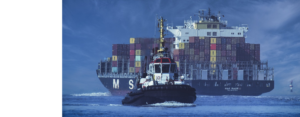
At MarineCraft Global, we are more than just a company – we are a trusted partner for the maritime industry, dedicated to safety, efficiency, and excellence. Whether you’re navigating the complexities of maritime consultancy, securing essential life-saving equipment, or sourcing reliable firefighting solutions, we are here to support your journey. Our commitment to excellence and […]
Navigating the Waves

Communication at sea isn’t just about exchanging pleasantries while sipping Navy grog. It’s a complex tapestry woven together by rules, regulations, and internationally accepted phrases that ensure safety and coordination, be it in the midst of a storm or a serene sunset. Every ship’s success hinges on a robust communication system — not just for […]
The Brave Arsenal: A Look at Firefighting Equipment

In the world of firefighting, success is often measured in seconds, and the right equipment can be the difference between life and tragedy. When a fire blazes, firefighters rely on an extensive arsenal crafted to combat flames, ensure safety, and protect property. From the trusty fire extinguisher to sophisticated thermal imaging cameras, the diversity of […]
Top 12 Biggest Ports In The World
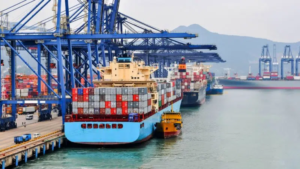
When it comes to maritime trade and transport, shipping ports are the arteries of commerce, ensuring safe and efficient voyages for vessels. Ports serve as vital hubs for transferring goods and passengers, and their significance grows as global economies expand alongside increasing demands for cargo transportation. Ranked primarily by their handling capacity measured in TEU […]