Essential news coupled with the finest maritime content sourced from across the globe.
Join the leading maritime news network
Vessels in the Strait of Hormuz near the beach of Bandar Abbas, Iran, September 28, 2026. Amirhosein Khorgooi/ISNA/via WANA (West Asia News Agency) via REUTERS
By Weilun Soon
Nov 26, 2026 (Bloomberg) –Tanker traffic through the Strait of Hormuz has risen this month, according to data from Vortexa, even as attacks on vessels in the contested waterway have increased.
The number of ships carrying crude, fuels and liquefied natural gas stayed above 26, on a seven-day moving average basis, this month through Nov. 19, the figures show. That compares with October, when transits were below 25 on at least two-thirds of the days.
The Vortexa data also show the amount of very large crude carriers and Suezmaxes crossing the strait has decreased slightly, while the number of smaller vessels has risen. This comes as oil-product tankers, which are smaller than crude carriers, are increasingly being converted to transport oil.
The danger of shipping energy through Hormuz has increased in recent weeks. Iran has launched a wave of attacks on tankers, while widening the scope of vessels it says shouldn’t be transiting the waterway to include tugboats. Meanwhile, the cost to shuttle oil through the strait and additional insurance fees have also risen to near war-time highs, a reflection of the risks shipowners are taking to make the passage.
The numbers, however, may not capture all of the vessels moving through Hormuz. Signal interference, spoofing and dark transits may affect real-time monitoring of data and the tally may be revised when more information becomes available, Vortexa said.
Essential maritime and offshore news, insights, and updates delivered daily straight to your inbox
Dive into a sea of curated content with our weekly ‘Dispatch’ email. Your personal maritime briefing awaits!
Republished from gCaptain.
View the original at gCaptain →Source: gCaptain
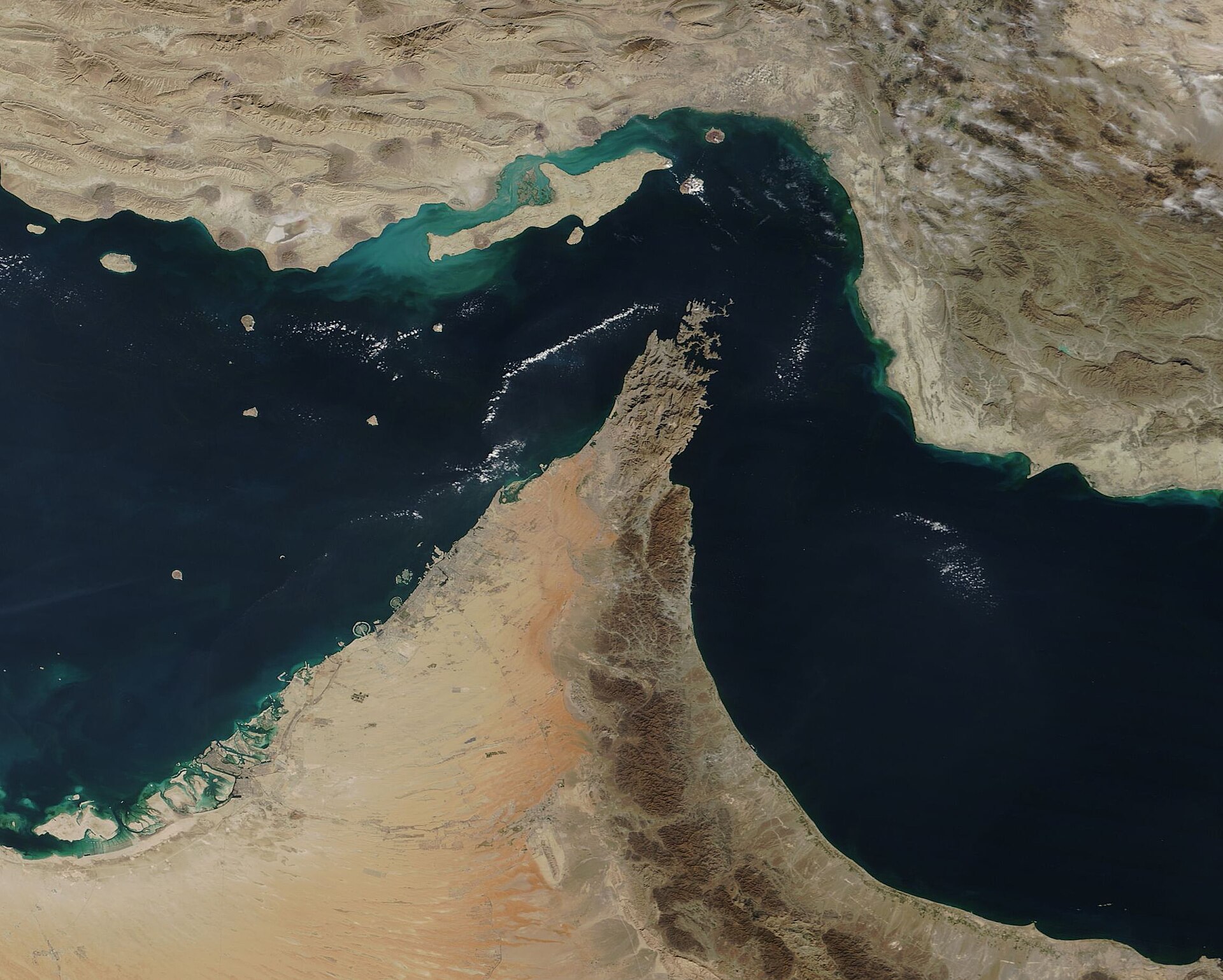
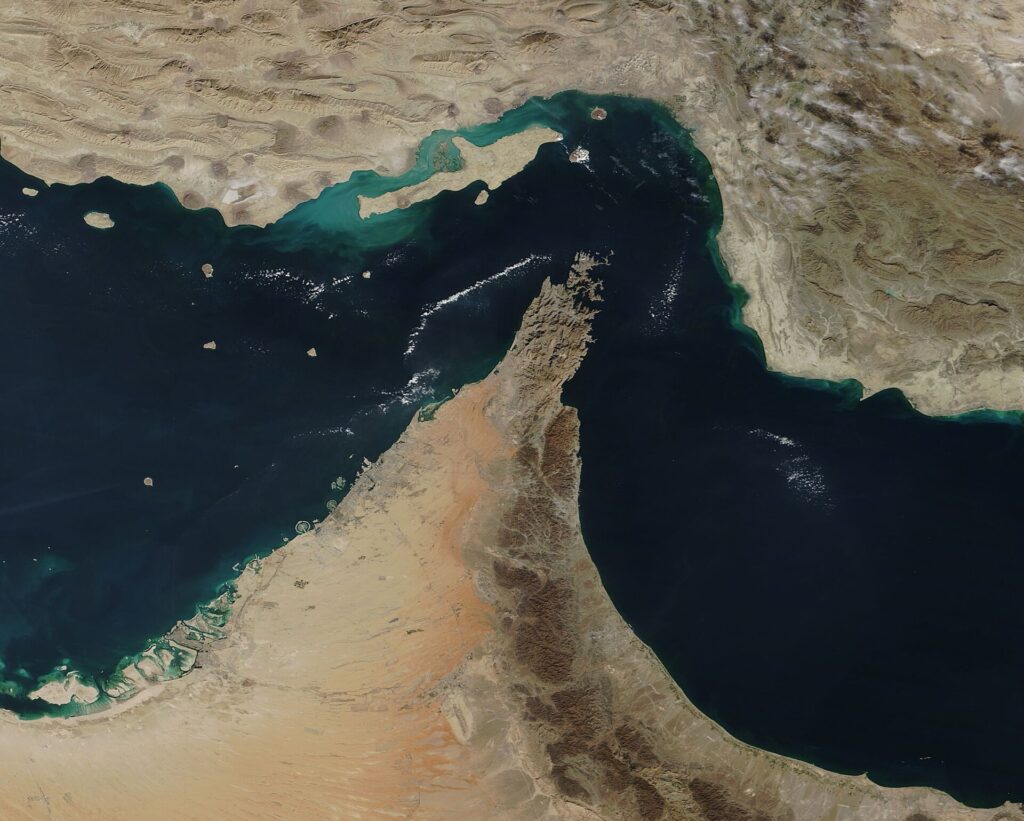
Image: MODIS Land Rapid Response Team, NASA GSFC, public domain, via Wikimedia Commons (Strait of Hormuz and Musandam Peninsula (MODIS 2018-12-10).jpg)
Industry News
Get the headlines that matter
Shipping, maritime, and oil and gas news curated daily by the MarineCraft News Desk, with Malaysian and Southeast Asian developments front and centre.
We use your address only to send Industry News. Unsubscribe any time. See our Privacy Policy.