Ensuring structural integrity and compliance through certified welding performance
The foundation of safe and reliable construction
Shipyard welding demands precision, consistency, and adherence to stringent safety requirements. Every hull, pipeline, and support structure depends on flawless joints that can endure heavy loads, vibration, and environmental stress. The Welder Qualification Test, or WQT, plays a crucial role in verifying that welders possess the required skill and technique to produce welds that meet class and code specifications. Without qualified welders, the risk of structural failure, costly rework, and noncompliance increases significantly.
What the qualification test ensures
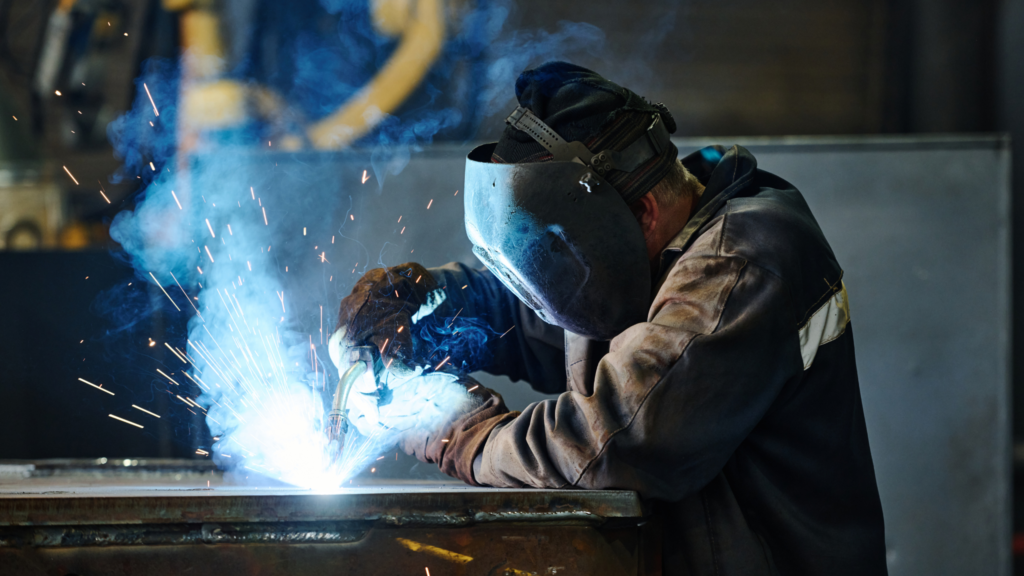
The WQT evaluates a welder’s ability to produce sound welds under specific process and position conditions, using materials relevant to actual shipyard applications. Each test piece undergoes visual inspection, non-destructive testing, and sometimes destructive testing to confirm weld integrity. Once approved, the welder receives a qualification record that defines the range of approval such as process, thickness, and material group.
This record demonstrates that the welder’s work meets the standards set by recognized bodies such as AWS, ASME, ISO, or specific classification societies like ABS, DNV, or Lloyd’s Register. Maintaining valid qualifications ensures compliance with both company procedures and statutory marine safety frameworks.
Importance in marine and offshore environments
In shipbuilding, repair, and offshore fabrication, welding defects can have severe consequences if left undetected. A minor porosity or lack of fusion in a pressure boundary weld can lead to leaks, fractures, or even catastrophic failure under operational load. The WQT ensures that every welder is fully competent to handle materials exposed to seawater corrosion, pressure variation, and cyclic mechanical stress.
For offshore platforms and industrial modules, the same standards apply. Fabrication contractors are required to assign only certified welders to critical joints, with documentation traceable for audit and classification survey inspections. Consistent verification of welder capability safeguards not only structural reliability but also personnel safety and environmental protection.
Maintaining compliance and traceability
Organizations must maintain accurate records of welder qualifications and test renewals. Periodic requalification ensures ongoing competence, particularly when processes or materials change. Regulatory auditors and classification surveyors routinely review these records to confirm compliance during construction and repair phases.
Failure to maintain valid WQT documentation can result in rejected welds, project delays, and potential suspension of certification. Proper record control, combined with continuous training and supervision, reinforces a culture of quality assurance that is fundamental in shipyard operations.
Upholding quality and safety standards
The Welder Qualification Test remains a cornerstone of quality control in marine and industrial fabrication. It confirms that each welder can consistently produce work that meets approved procedures and safety codes. In shipyards and offshore projects where welding forms the backbone of structural integrity, the WQT is not simply a formality but an essential safeguard for the reliability, compliance, and longevity of every vessel and installation.