Selecting the right firefighting system for an offshore facility requires a disciplined risk based approach. Offshore platforms, FPSOs, and drilling rigs operate in high hazard environments where hydrocarbon releases, confined spaces, and harsh marine conditions can rapidly escalate a fire event. The objective is not simply compliance, but the prevention of loss of life, asset damage, and environmental harm.
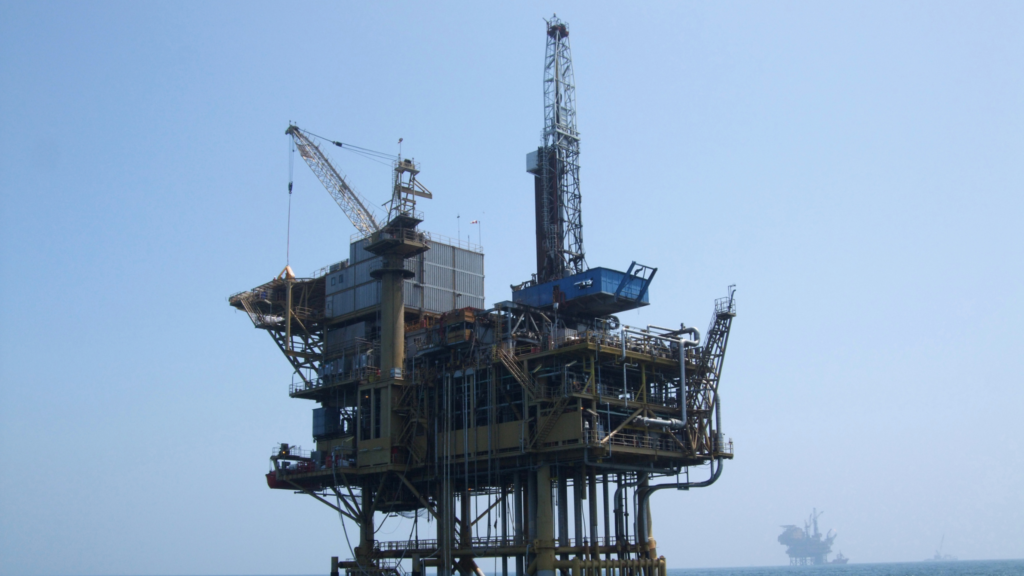
System selection is guided by international and offshore specific standards, including SOLAS Chapter II 2, the Fire Safety Systems Code, NFPA 850, and ISO 13702. These frameworks establish performance expectations for detection, suppression, and system integration. This guide outlines how operators can make auditable and technically sound system choices that align with regulatory requirements and real world operating conditions.
Why system selection matters offshore
Offshore fires present unique risks due to limited escape routes, delayed external assistance, and continuous exposure to flammable hydrocarbons. Failures in detection or suppression can allow small incidents to develop into major loss events, threatening personnel safety and production continuity.
Regulators and insurers increasingly scrutinise whether firefighting systems are appropriate for the hazards present. Systems that are poorly matched to fire class or operating environment often fail during inspections, increase insurance exposure, and contribute to unplanned shutdowns. Effective system selection therefore supports safety performance, regulatory compliance, and long term asset reliability.
Understanding offshore firefighting system options
Water mist systems are widely used in enclosed offshore spaces such as machinery rooms, control rooms, and electrical areas. They provide effective cooling and oxygen displacement while minimising water damage and residue, making them suitable for sensitive equipment.
Foam deluge systems are the primary solution for open decks and process areas where flammable liquid pool fires may occur. These systems suppress vapour release and prevent re ignition, making them essential for hydrocarbon handling zones.
Gaseous suppression systems are applied in enclosed volumes where clean extinguishing is required. While effective in electrical and accommodation spaces, these systems rely on space integrity and controlled ventilation. Their use offshore requires careful consideration of safety procedures and environmental impact.
Water monitors and hydrant systems provide manual firefighting capability and boundary cooling. They are essential as a backup layer, particularly in large open areas and during extended fire scenarios.
Most offshore facilities rely on a combination of these systems, configured to address multiple fire scenarios across different zones.
Evaluating systems using a structured framework
System selection should be based on a formal fire risk assessment supported by hazard identification and hazard operability studies. Key evaluation factors include the type and likelihood of fire hazards, regulatory acceptance, environmental durability, space and weight constraints, and long term maintenance requirements.
Compact systems are often preferred on FPSOs and older installations where space and structural capacity are limited. In high exposure areas, material selection and corrosion resistance are critical to ensure system reliability over time. Lifecycle cost must also be considered, as offshore maintenance access is limited and expensive.
A documented evaluation framework supports transparent decision making and provides a clear audit trail for regulators, classification societies, and insurers.
Common challenges in offshore system selection
Harsh offshore environments accelerate corrosion and degradation of firefighting components, particularly nozzles, valves, and seals. Space limitations may restrict the use of large foam or gas storage systems, driving the need for more compact alternatives.
Gaseous systems may be less effective where ventilation cannot be reliably controlled, increasing the risk of re ignition. Emerging risks such as electric vehicle batteries and new energy storage systems also challenge conventional suppression approaches.
Integration failures between firefighting systems, emergency shutdown systems, and gas detection can delay response and reduce effectiveness during an incident. High operational expenditure resulting from frequent servicing and component replacement must also be managed.
Best practice for offshore firefighting system selection
Best practice begins with mapping fire hazards by zone and matching suppression methods to fire class and operational use. Early engagement with classification societies and competent system designers helps ensure regulatory alignment and practical feasibility.
System performance should be validated through engineering analysis and coverage assessment, particularly for complex layouts. All selected equipment should be type approved and suitable for offshore environmental conditions.
Operational readiness depends on more than hardware. Regular drills, structured maintenance programmes, and accurate documentation ensure systems perform as intended and remain inspection ready. Lifecycle planning should account for ongoing inspection, testing, and upgrade requirements throughout the facility operating life.