Preventing fires and accidents through disciplined control and compliance
The critical importance of hot work safety
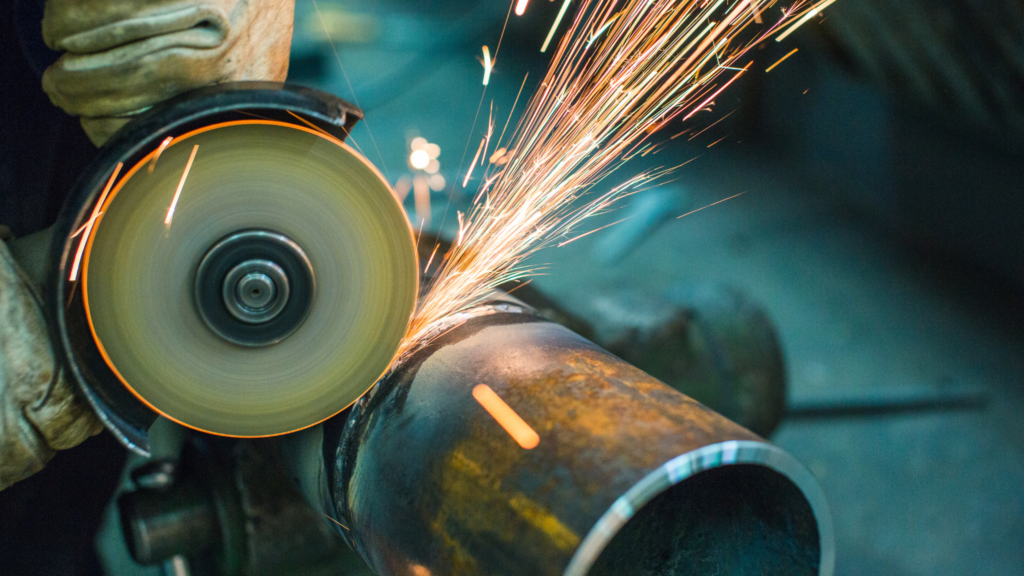
Hot work is one of the highest-risk activities in shipyards and industrial facilities. Any operation involving welding, cutting, grinding, or torching produces sparks and heat capable of igniting flammable materials. In confined or enclosed spaces common in marine construction, even small ignition sources can cause major fires or explosions. Proper hot work safety practices are therefore essential to protect personnel, assets, and the environment from serious harm.
Understanding the hazards
Hot work exposes workers to multiple hazards beyond burns or smoke inhalation. These include fire propagation through combustible residues, explosion risks in fuel or cargo tanks, and oxygen depletion in enclosed spaces. In many shipbuilding operations, coatings, insulation, or cleaning agents used in nearby areas may release toxic or flammable vapors when heated. Recognizing these risks before starting work is vital for safe planning and execution.
The framework of safe operations
Effective hot work safety begins with a structured permit-to-work system. A hot work permit authorizes the specific task only after confirming that fire watches, isolation procedures, and gas testing have been completed. Supervisors verify that surrounding materials are cleared or shielded and that firefighting equipment is ready for immediate use. For confined spaces, ventilation systems and continuous atmospheric monitoring must be maintained throughout the operation.
Adherence to these controls ensures compliance with safety regulations enforced by organizations such as OSHA, IMO, and national marine authorities. In shipyards certified under classification society oversight, inspectors often verify that hot work permits, inspection logs, and training records are accurate and up to date.
Training, awareness, and inspection discipline
Every welder and fitter must understand the hazards specific to their work area and equipment. Regular training programs reinforce correct use of protective clothing, fire-resistant blankets, and appropriate tools for cutting or welding in restricted spaces. Fire watches should continue monitoring after completion of the job to ensure that no smoldering material or delayed ignition remains.
Routine inspections of hot work zones, gas cylinders, and electrical connections prevent overlooked faults from escalating into incidents. Supervisors must also ensure that extinguishers, hoses, and alarms are tested and positioned correctly before work begins. Continuous documentation of hot work activities maintains transparency for audit and compliance reviews.
Reinforcing a culture of safety
Hot work safety depends on constant vigilance and disciplined adherence to procedures. Each welder and fitter shares responsibility for managing their work area and reporting unsafe conditions immediately. By combining strict permit control, responsible supervision, and ongoing safety training, shipyards and industrial facilities can reduce the likelihood of fire-related accidents and ensure that every hot work activity is performed under the highest standards of safety and regulatory compliance.