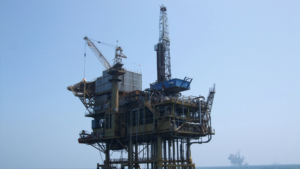
Selecting the right firefighting system for an offshore facility requires a disciplined risk based approach. Offshore platforms, FPSOs, and drilling rigs operate in high hazard environments where hydrocarbon releases, confined spaces, and harsh marine conditions can rapidly escalate a fire event. The objective is not simply compliance, but the prevention of loss of life, asset […]
Featured Posts
A Guide to Marine Firefighting Systems

Marine firefighting systems form the frontline defence against onboard fires and are essential for protecting crew, vessels, cargo, and offshore assets. In maritime, offshore, and oil and gas operations, fire incidents escalate rapidly due to confined spaces, complex machinery, and flammable fuels. Effective firefighting systems are therefore a core element of regulatory compliance and operational […]
Annual Fire Extinguisher Inspections: Essential Requirements for Marine and Industrial Operators

Annual fire extinguisher inspections are a critical regulatory requirement and essential safeguard for marine and industrial operations, ensuring readiness to mitigate fire risks effectively. These inspections prevent equipment failure during emergencies, protecting personnel, assets, and compliance with international standards. Importance of Annual Inspections Fire extinguishers serve as the primary response tool in the initial stages […]
How Physical Crude Oil Trading Works in Southeast Asia

Physical crude oil trading involves the actual purchase, sale, and physical delivery of oil cargoes from producers to refiners or traders, distinct from paper or financial trading. In Southeast Asia, this market thrives on regional production from fields in Malaysia, Indonesia, Vietnam, and Brunei, alongside imports routed through key hubs like Singapore. We break down […]
Essential Lifesaving Appliances Every Vessel Must Maintain Under SOLAS
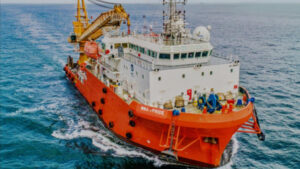
Every SOLAS‑certified vessel must carry and maintain a set of lifesaving appliances that protect people from the moment an emergency begins until rescue is complete. This article gives vessel owners, managers, and HSE teams a clear, practical overview of the essential equipment required under SOLAS and the LSA Code, and what it takes to keep […]
Onshore Power Supply: For a Greener Future
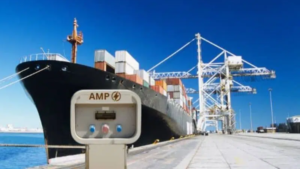
Onshore Power Supply (OPS), or “cold ironing,” is transforming ports by allowing ships to shut down their auxiliary engines and plug into the electrical grid. This reduces air and noise pollution and offers long-term cost savings. Operational Benefits: Regulatory Benefits: Environmental Impact: Challenges and Considerations: Case Studies: OPS in U.S. Ports: Ports in Galveston, Miami, […]