Introduction
The Automatic Identification System (AIS) is a shipborne tracking technology that enhances maritime safety by transmitting and receiving vessel information through VHF frequencies. AIS allows ships and coastal authorities to identify, monitor, and track vessels in real time, significantly improving situational awareness.
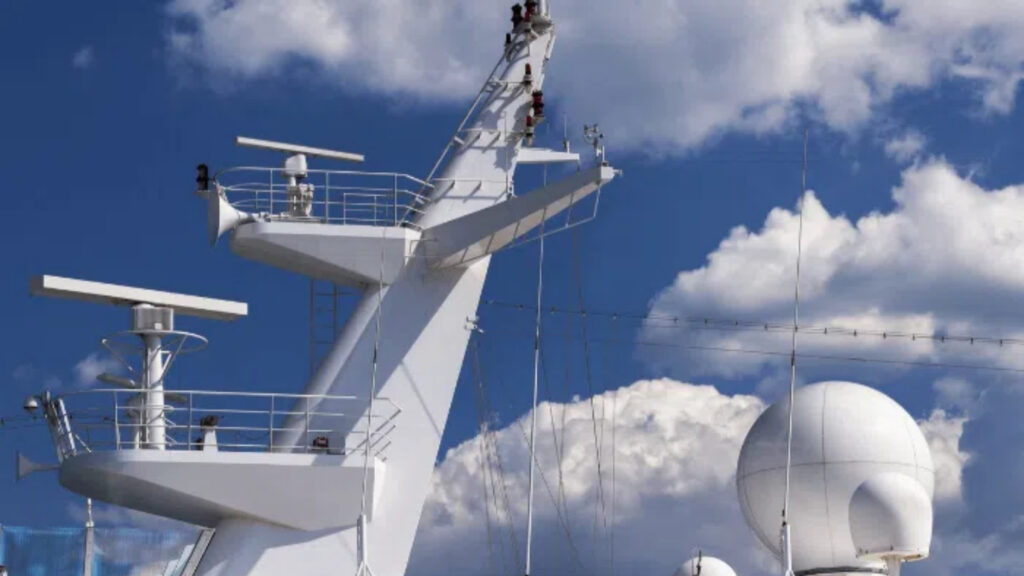
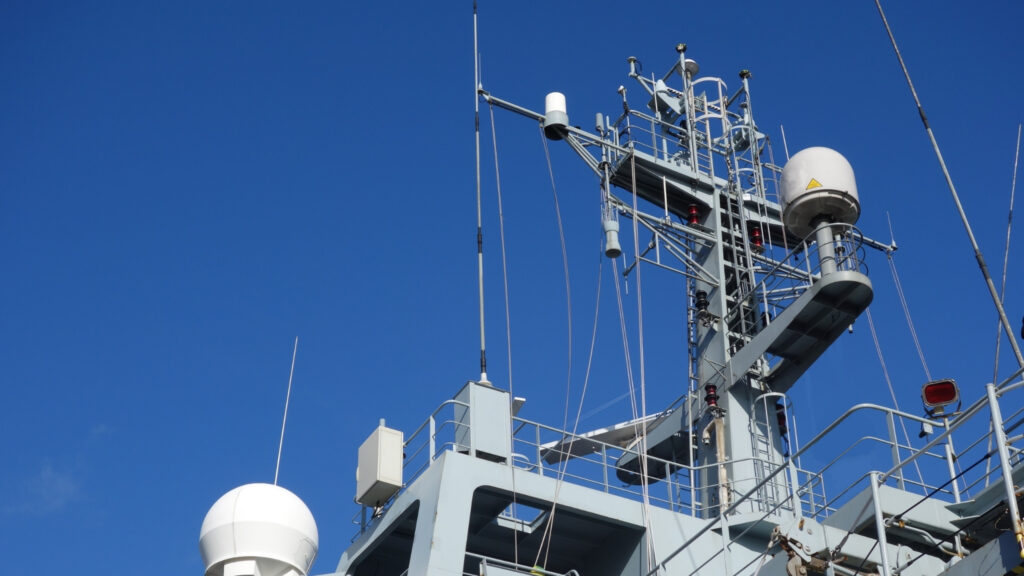
Although AIS improves navigation safety, it is only an aid—it cannot replace radar, visual lookouts, or human judgment for collision avoidance.
Why Is AIS Important?
AIS provides:
- Ship identification and positional awareness.
- Support for Vessel Traffic Services (VTS).
- Enhanced safety in congested waterways.
- Monitoring of hazardous cargo and fishing activity.
- Search and Rescue (SAR) assistance, helping authorities locate nearby ships during emergencies.
SOLAS Requirements
As per IMO SOLAS Regulation V/19.2.4:
- All ships ≥300 GT engaged in international voyages must carry AIS.
- All passenger ships, regardless of size, must be fitted with AIS.
Types of AIS
- Class A AIS – Mandatory for passenger ships and cargo ships ≥300 GT on international voyages. High transmission rate and full functionality.
- Class B AIS – For smaller non-SOLAS vessels (yachts, fishing boats, pleasure crafts) with reduced transmission frequency and limited functions.
How AIS Works
AIS operates on two VHF frequencies:
- AIS 1: 161.975 MHz (ship-to-ship)
- AIS 2: 162.025 MHz (ship-to-shore)
It uses Self-Organizing Time Division Multiple Access (STDMA) technology, assigning 2,250 time slots per minute to avoid interference.
AIS equipment typically includes:
- One VHF transmitter
- Two VHF receivers
- One DSC receiver
- GPS for position and timing
- Links to shipboard sensors/displays
AIS data can be received by nearby ships, coastal stations, or satellites, enabling global tracking.
Information Transmitted by AIS
AIS broadcasts four categories of information:
- Static Data: MMSI, IMO number, vessel name, call sign, dimensions, and ship type.
- Dynamic Data: Position, speed, course, timestamp.
- Voyage Data: Draught, cargo type, destination, ETA, route plan.
- Safety Messages: Free-text alerts (e.g., iceberg sighting, missing buoy).
Benefits of AIS
- Improves situational awareness for officers on watch.
- Supports collision risk assessment (CPA, TCPA).
- Provides valuable traffic information to coastal authorities.
- Assists in monitoring vessel movements and cargo safety.
Limitations of AIS
- Accuracy depends on the transmitting ship’s data.
- Not all ships are fitted with AIS.
- Some Masters may switch it off for security reasons.
- Over-reliance may cause complacency among crew.
FAQs
1. How does AIS work?
AIS uses GPS and VHF signals to automatically transmit a vessel’s data to nearby ships and coastal authorities.
2. What are the AIS types?
Class A (mandatory for large commercial ships) and Class B (used for smaller crafts).
3. Is AIS mandatory?
Yes, for ships ≥300 GT on international voyages and all passenger ships.
4. What data does AIS transmit?
Static (ship details), dynamic (position & movement), voyage (cargo, ETA), and safety alerts.
5. Should AIS always be switched on?
Yes—except when the Master decides to turn it off for security or safety reasons.
Conclusion
The Automatic Identification System (AIS) is an indispensable navigation tool that enhances maritime safety, supports traffic management, and improves situational awareness. While it provides crucial data for navigation, it should always complement—not replace—human expertise and other navigational aids.