Annual fire extinguisher inspections are a critical regulatory requirement and essential safeguard for marine and industrial operations, ensuring readiness to mitigate fire risks effectively. These inspections prevent equipment failure during emergencies, protecting personnel, assets, and compliance with international standards.
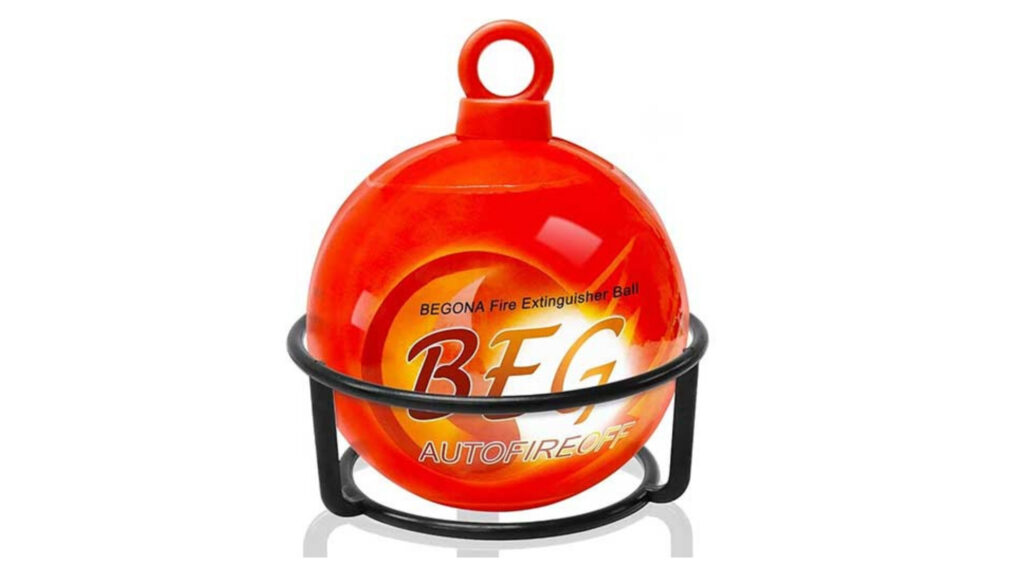
Importance of Annual Inspections
Fire extinguishers serve as the primary response tool in the initial stages of an incident, bridging the gap until advanced suppression systems or emergency services arrive.
Regulations, including SOLAS guidelines for maritime operations and NFPA 10 standards for industrial settings, mandate documented annual professional inspections to verify operational integrity.
Non-compliance can result in operational detentions, fines, or heightened liability in the event of an incident.
Scope of Annual Inspections
Professional annual inspections encompass a comprehensive evaluation, including pressure gauge verification, weight checks, hose and nozzle integrity, agent type suitability, accessibility, and label legibility.
Certified technicians perform necessary maintenance, such as recharging and hydrostatic testing at prescribed intervals, distinguishing these from routine monthly visual crew inspections.
This process ensures extinguishers remain fully functional and appropriately matched to specific fire hazards.
Requirements for Marine Operators
Maritime regulations require all portable and semi-portable extinguishers to undergo annual servicing, supplemented by monthly crew verifications, in accordance with flag state and classification society protocols
Operators must maintain detailed records, including service tags affixed to each unit and entries in safety management system logbooks, detailing dates, findings, and corrective actions.
Such documentation is scrutinized during port state control inspections and class surveys.
Requirements for Industrial Facilities
Industrial operators must ensure extinguishers are maintained in charged condition, with annual inspections covering placement, hazard coverage, mounting, and employee training on usage.
Periodic hydrostatic testing and internal examinations are scheduled based on extinguisher type and cylinder construction, with records demonstrating ongoing compliance.
Clear access paths and hazard-appropriate agent selection are non-negotiable for regulatory adherence.
Documentations and Common Pitfalls
Service tags on each extinguisher should record the inspection date, technician credentials, and next due date, supported by centralized logs or digital systems.
Prevalent issues include obstructed access, compromised seals, mismatched agents, expired hydrostatic tests, and inadequate records, all of which undermine safety and invite deficiencies.
Proactive auditing of these elements minimizes risks and demonstrates a commitment to operational excellence.