What Marine and Industrial Operators Must Know
Annual fire extinguisher inspections are a critical element of fire safety readiness in marine, offshore, and industrial environments. Portable fire extinguishers provide the first line of defence during the early stages of a fire, when rapid intervention can prevent escalation into a major incident. To ensure reliability, these inspections are mandated under international maritime and industrial fire safety standards and form a core part of safety management and regulatory compliance.
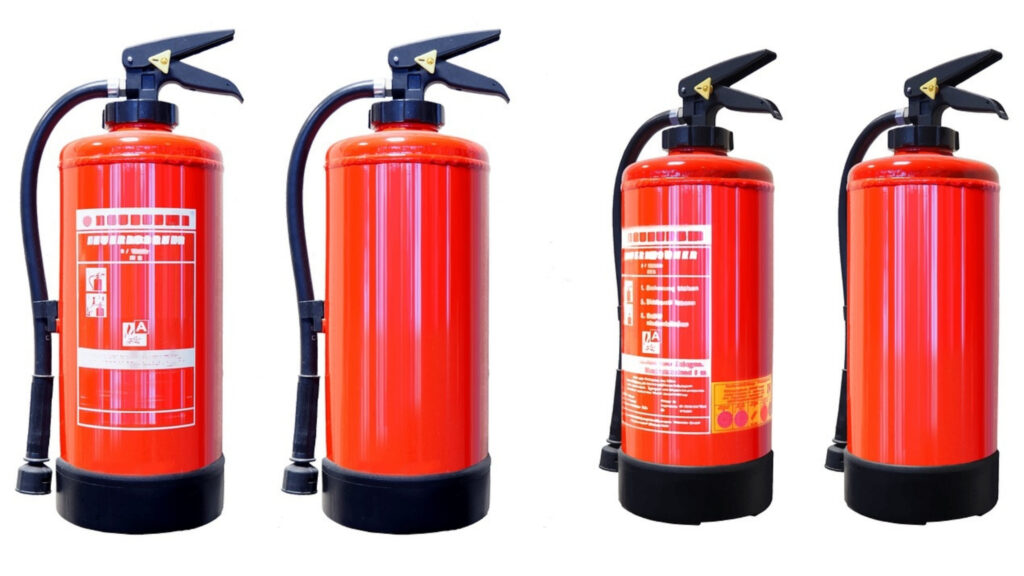
For operators in maritime and oil and gas sectors, annual inspections are not a procedural formality. They are essential to maintaining operational readiness, passing port state and class inspections, and protecting personnel and assets in high risk environments.
Why annual inspections matter
Portable fire extinguishers are designed to control fires at their point of origin. When properly maintained, they are highly effective in preventing small incidents from developing into full scale emergencies. However, extinguishers that are uninspected or poorly maintained may fail due to loss of pressure, degraded agents, or mechanical defects.
Inspection deficiencies remain a common finding during vessel and facility audits, often resulting in detentions or non conformity reports. In offshore and industrial operations, the consequences of extinguisher failure are amplified by hydrocarbon hazards, confined spaces, and delayed emergency response options. Regular inspections ensure that extinguishers remain fit for purpose and aligned with site specific fire risks.
Inspection scope and technical requirements
Annual inspections require more than a visual check. They confirm that each extinguisher is capable of immediate and effective operation. This includes verification of internal pressure, agent quantity, discharge components, mounting condition, and legibility of operating instructions.
Visual inspections are typically conducted routinely by onboard or site personnel to confirm that pressure indicators are within range, safety seals are intact, nozzles are unobstructed, and extinguishers remain accessible.
Annual servicing is performed by certified technicians and includes weighing cylinders, inspecting internal components, checking hoses and gauges, verifying propellant condition, and ensuring compatibility with the protected hazard.
Hydrostatic testing is required at defined intervals depending on extinguisher type and cylinder construction. This process confirms the structural integrity of the cylinder under pressure and identifies deformation, corrosion, or fatigue that could lead to failure.
In offshore environments, additional attention is required due to salt exposure, vibration, and temperature variation. Mountings, valves, and external surfaces must be suitable for corrosive conditions, and redundancy is often required in accommodation and process areas.
Inspection procedures and performance benefits
Proper inspection and servicing significantly extend extinguisher service life and reduce the likelihood of malfunction or false discharge. They also ensure that extinguishing agents remain effective, particularly in humid machinery spaces where powder agents may cake or degrade.
Servicing procedures typically involve isolating the extinguisher, depressurising the cylinder, inspecting shell condition, verifying internal thickness where required, recharging with approved extinguishing agents, and restoring pressure to specified limits. New seals and service tags are fitted to clearly identify inspection status.
Many operators now adopt digital tracking systems to manage inspection schedules across fleets or multi site operations. These systems improve visibility, reduce missed inspections, and support audit readiness.
Common challenges and risk areas
Marine and industrial environments accelerate wear and deterioration of extinguisher components. Corrosion of valves and fittings is common on exposed decks, while elevated temperatures can affect pressure stability in certain extinguisher types.
Operational challenges also arise from limited access to certified service providers, particularly on remote offshore installations. Delays in servicing can result in expired equipment remaining in use, increasing compliance and safety risk.
Changes in environmental regulations and agent availability further complicate maintenance planning, requiring operators to stay informed of evolving requirements and approved alternatives.
Operator responsibilities and governance
Operators are responsible for ensuring that fire extinguishers remain compliant throughout their service life. This includes planning inspections within maintenance schedules, maintaining adequate spare inventory, and verifying that servicing is performed by approved personnel.
Inspection records must be accurate, complete, and readily available for audits. These records form part of the safety management system and demonstrate due diligence during inspections and incident investigations.
Any deficiencies identified during inspections must be addressed promptly and reported through internal safety reporting channels. Clear accountability and oversight are essential to maintaining compliance and operational confidence.
Best practice for sustained readiness
Best practice combines disciplined inspection routines with effective training and oversight. Regular crew or staff drills reinforce correct extinguisher use and hazard awareness, while structured maintenance programmes ensure technical integrity.
Storage conditions should be controlled to prevent damage or degradation, and access routes must remain clear at all times. Suppliers and service providers should be audited to ensure equipment and servicing meet applicable approval standards.
Integrating extinguisher inspections into broader fire safety and audit programmes supports a holistic approach to risk management. When treated as a critical safety system rather than a compliance task, portable fire extinguishers become a reliable and effective defence against fire incidents.