Marine firefighting systems form the frontline defence against onboard fires and are essential for protecting crew, vessels, cargo, and offshore assets. In maritime, offshore, and oil and gas operations, fire incidents escalate rapidly due to confined spaces, complex machinery, and flammable fuels. Effective firefighting systems are therefore a core element of regulatory compliance and operational resilience.
These systems are governed primarily by SOLAS Chapter II 2 and the Fire Safety Systems Code, which together define requirements for fire detection, suppression, containment, and structural protection. Upcoming regulatory enhancements effective from 2026 introduce additional controls for electric vehicle fires and low flashpoint fuels. This guide provides HSE officers, engineers, and marine superintendents with a practical overview of system types, compliance expectations, and operational best practice.
Why marine firefighting systems matter
Fire remains one of the most significant causes of total loss and serious damage at sea. Engine room fires, cargo hold ignition, and accommodation space incidents can escalate within minutes if detection or suppression systems fail. In offshore oil and gas operations, hydrocarbon release further amplifies fire and explosion risk.
International regulations are shaped by hard lessons from past incidents, which demonstrated the need for non combustible construction, fixed suppression systems, and early detection. In offshore environments, international standards such as ISO 13702 and NFPA 850 complement SOLAS requirements by addressing process safety and hydrocarbon fire risks on FPSOs, drilling rigs, and production platforms.
Core marine firefighting system types
Marine firefighting systems are generally categorised by suppression medium and application method.
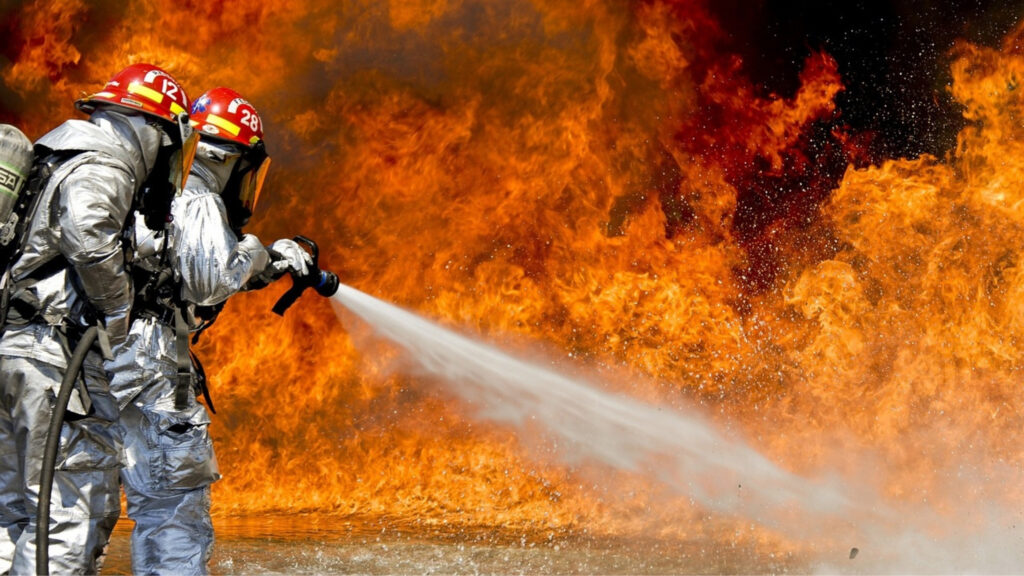
Water based systems include fire mains, hydrants, sprinklers, and high pressure water mist. These systems provide cooling, surface wetting, and fire control across accommodation, machinery spaces, and vehicle decks.
Foam systems are widely used on tankers and offshore installations where flammable liquid cargoes are present. Foam blankets suppress vapour release and prevent re ignition on deck and in cargo areas.
Gas suppression systems such as carbon dioxide, FM 200, and Novec 1230 are designed for enclosed machinery spaces and control rooms. These systems extinguish fires by oxygen reduction or heat absorption and require strict safety interlocks and release procedures.
Dry chemical powder systems are commonly installed in galleys, helidecks, and fuel handling areas for rapid knockdown of flammable liquid fires.
Fixed local application systems protect specific high risk machinery without requiring full space shutdown. These systems are particularly valuable in Category A machinery spaces where operational continuity is critical.
System operation and fire response principles
Effective firefighting relies on rapid detection, correct system activation, and coordinated crew response. Detection systems include smoke, heat, and flame sensors integrated with control panels and alarm systems. Automatic activation is often supported by manual release stations to allow crew intervention when conditions permit.
Fire main systems must deliver sufficient pressure and flow to meet design criteria for simultaneous hose operation. Water mist systems provide rapid cooling with minimal water damage, making them suitable for electronic equipment spaces. Foam systems are essential for suppressing fuel pool fires, while gas systems require space integrity and controlled evacuation procedures.
Regulatory updates effective from 2026 introduce additional requirements for vehicle and ro ro spaces, including fixed water monitors with defined flow capacity and coverage to address emerging fire risks.
Common challenges and compliance risks
Firefighting systems frequently fail inspections not due to design flaws, but because of maintenance and management lapses. Common issues include depleted gas cylinders, corroded piping, blocked nozzles, inoperative alarms, and incomplete documentation.
Incorrect placement of emergency escape breathing devices, degraded fire doors, and unverified fuel flashpoints also present recurring compliance gaps. Offshore installations face additional challenges from harsh environmental exposure, which accelerates seal degradation and component wear.
Electric vehicle and lithium battery fires introduce new risks, as conventional suppression methods may be less effective without sustained cooling and containment strategies.
Operator responsibilities and survey obligations
Operators are responsible for ensuring that firefighting systems remain compliant throughout the vessel or installation lifecycle. This includes periodic surveys, functional testing, and system renewals in accordance with statutory and class requirements.
Fire control plans, operating manuals, and training records must be kept current and readily available. Suppression systems typically require five year renewal inspections, with intermediate pressure testing where applicable. All activities should be documented within the fire safety training manual and planned maintenance systems.
For offshore assets, coordination with flag administrations and classification societies is essential to ensure timely upgrades and alignment with forthcoming regulatory amendments.
Best practice for sustained fire readiness
Effective fire safety goes beyond minimum compliance. Regular testing of hydrants and alarms, routine extinguisher inspections, and structured crew drills reinforce system readiness and human response.
Crew training should focus on correct use of breathing apparatus, emergency escape procedures, and coordinated fire team operations. Firefighter protective equipment must meet current performance standards and be maintained in serviceable condition.
Digital maintenance systems and structured audit trails support inspection readiness and demonstrate effective safety management. Early planning for regulatory updates allows operators to implement system upgrades without operational disruption.